

Table of Contents
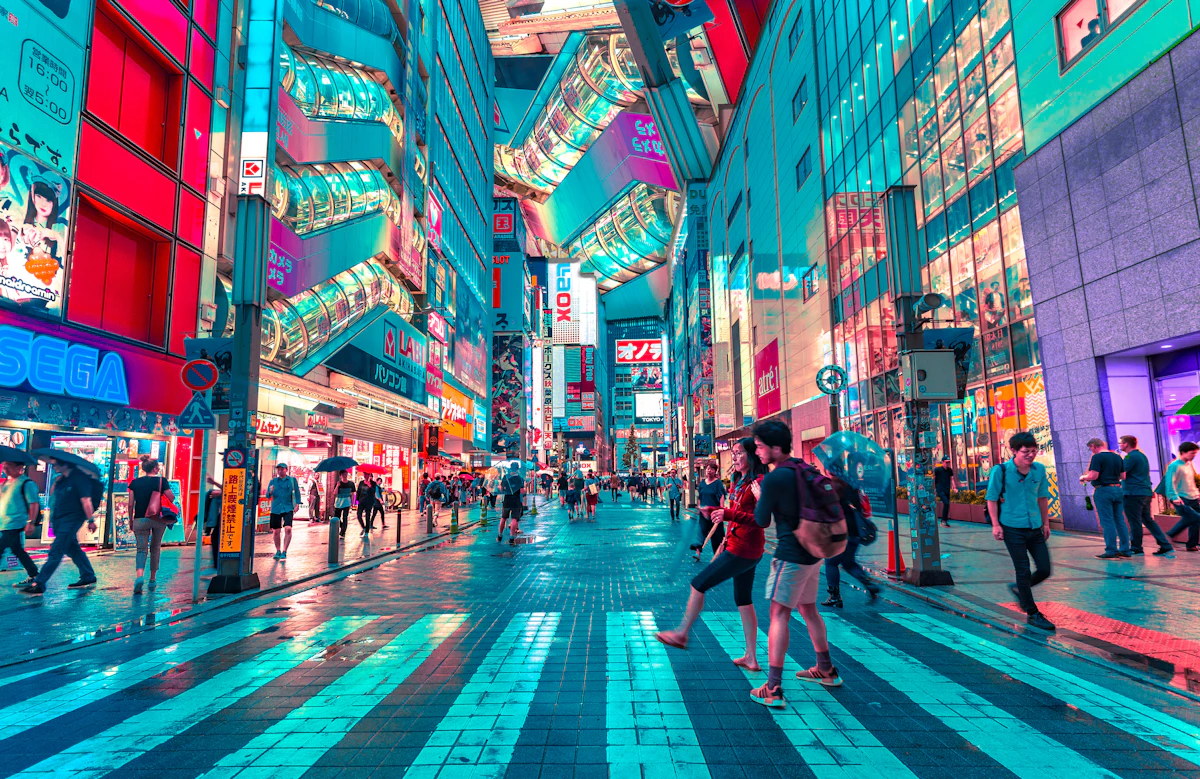
Choosing the right hotels Tokyo Japan area can save you hundreds of dollars on a trip that many travelers assume has to be expensive. Tokyo is famously pricey, but the city is also packed with budget-friendly neighborhoods where clean, safe, and well-located accommodation costs far less than you would expect. This neighborhood guide compares the seven best areas for budget hotels in Tokyo, with hotel picks, price ranges, and insider tips for solo visitors, first-timers, and long-haul arrivals. Whether you want temple views in Asakusa or 24-hour noodle shops in Ikebukuro, you will find a base that fits your budget.
Before you book, check our cheap hotels tips guide for the seven money-saving strategies that work in any city. Then use the links below to compare live rates on Booking.com or find cheap flights to Tokyo on Aviasales.
Why Location Matters More Than Price in Tokyo

Tokyo is not a single city center with one expensive core. It is a web of connected districts, each with its own personality, transit access, and price range. A hotel in Shinjuku might cost 40% more than a similar room in Ueno, even though both are only 20 minutes apart by train. That is why the area you choose often matters more than the star rating of the hotel.
Budget travelers should think in terms of total trip cost, not just the nightly rate. A cheaper room far from a train station can end up costing more in time and transport. A slightly pricier room near a major hub like Ueno or Ikebukuro can save you money on daily metro passes and late-night taxis. The best hotels Tokyo Japan areas for budget trips are the ones that balance low nightly rates with excellent transit access.
| Area | Average Budget Hotel Price | Best For | Transit Access |
|---|---|---|---|
| Asakusa | ¥7,000–¥11,000 | First-timers, culture lovers | Ginza Line, Asakusa Line |
| Ueno | ¥6,500–¥10,000 | Budget hub, airport access | JR, Keisei Skyliner, Metro |
| Ikebukuro | ¥7,000–¥11,500 | Shoppers, value seekers | JR Yamanote, multiple lines |
| Ryogoku | ¥6,000–¥9,500 | Quiet stays, sumo fans | JR Sobu, Oedo Line |
| Kanda / Akihabara | ¥7,500–¥12,000 | Central location, otaku culture | JR Yamanote, Chuo, Metro |
| Shinjuku (east side) | ¥8,000–¥13,000 | Nightlife, first-timers | JR, Metro, bus terminal |
| Shimbashi / Shinagawa | ¥7,500–¥12,000 | Business districts, airport links | JR, Shinkansen, monorail |
Prices above are typical for a standard double or single room in a budget business hotel and vary by season. Use them as a starting point, not a guarantee.
The 7 Best Tokyo Areas for Budget Hotels
Here are the seven neighborhoods that consistently deliver the best value for hotels Tokyo Japan travelers on a budget. Each section includes hotel picks, a price range, and the type of traveler who will feel most at home there.
1. Asakusa — Traditional Charm at Budget Prices
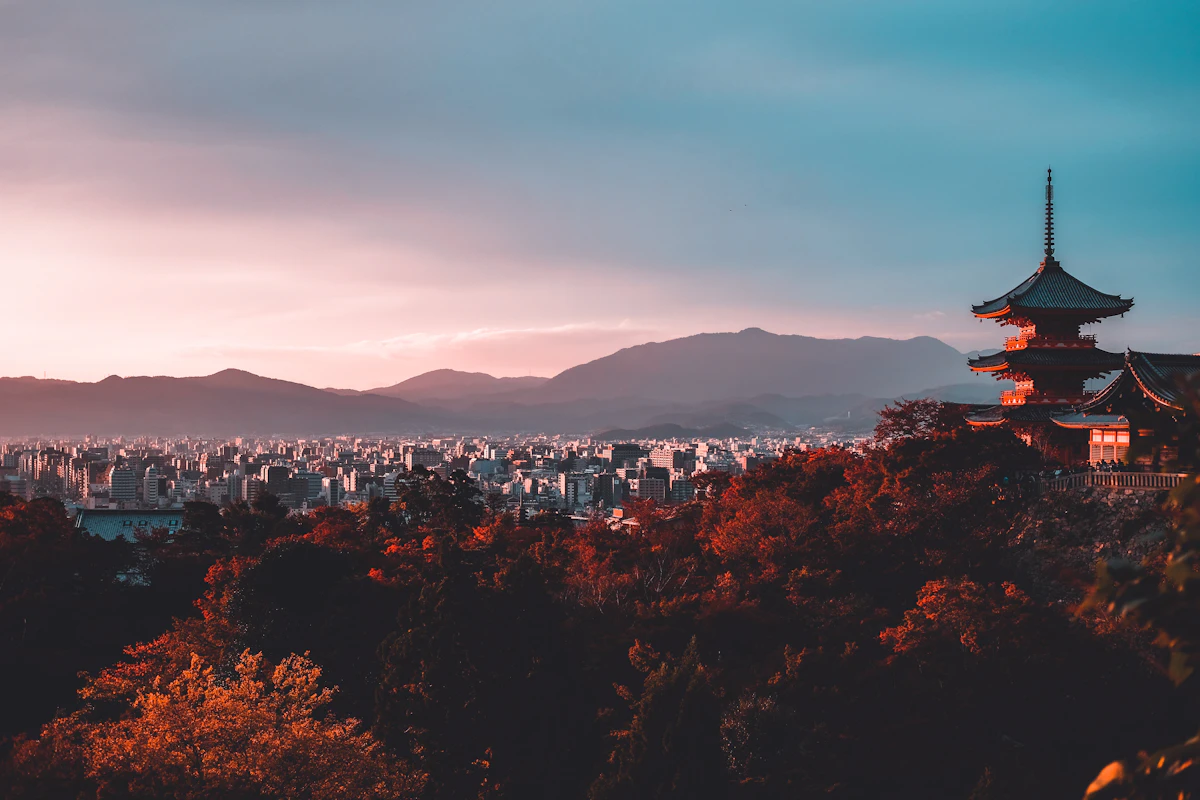
Asakusa is the best all-rounder for first-time visitors who want a taste of old Tokyo without paying Shinjuku prices. The area around Senso-ji Temple is walkable, safe, and full of affordable street food. Budget hotels here are often newer than you would expect, and the Ginza Line gives you a direct ride to Shibuya, Ginza, and Ueno.
Hotel picks: APA Hotel Asakusa Tawaramachi, Toyoko Inn Asakusa Kuramae, and Super Hotel Asakusa. Expect to pay ¥7,000–¥11,000 per night for a clean, compact room with free Wi-Fi and breakfast options nearby.
Best for: First-timers, solo travelers, and anyone who wants temple views on a budget.
2. Ueno — The Budget Traveler’s Transport Hub

Ueno is arguably the best area to stay in Tokyo on a budget. It has direct airport access via the Keisei Skyliner from Narita, a major JR station, and a huge concentration of affordable business hotels. Ueno Park, the Tokyo National Museum, and Ameyoko Market are all within walking distance, which means you save on transport as well as lodging.
Hotel picks: Hotel Sardonyx Ueno, Super Hotel Ueno, and APA Hotel Ueno Ekimae. Rates often start around ¥6,500 per night, making Ueno one of the cheapest well-connected areas in the city.
Best for: Long-haul arrivals, museum lovers, and travelers who want easy airport access.
3. Ikebukuro — Big-City Energy Without the Big-City Price
Ikebukuro is often overlooked by tourists, which is exactly why it is a budget traveler’s secret weapon. It has the same 24-hour energy as Shinjuku and Shibuya, but hotel prices run 15–25% lower. The station is a major hub on the JR Yamanote Line, so you can reach most of Tokyo in under 30 minutes.
Hotel picks: Super Hotel Ikebukuro, APA Hotel Ikebukuro Ekimae, and Toyoko Inn Ikebukuro Kita-guchi. Expect to pay ¥7,000–¥11,500 per night, with plenty of cheap ramen and convenience stores right outside your door.
Best for: Shoppers, night owls, and travelers who want a lively base without the Shinjuku markup.
4. Ryogoku — Quiet, Cheap, and Full of Character

Ryogoku is the sumo district, and it is one of the quietest, cheapest places to stay in central Tokyo. You are a short walk from the Sumo Museum and the Kokugikan arena, and the JR Sobu Line connects you to Akihabara in minutes. Because it is more residential, hotel rates are often lower than in nearby tourist zones.
Hotel picks: Dormy Inn Ryogoku, Toyoko Inn Ryogoku, and APA Hotel Ryogoku Ekimae. Rates can dip to ¥6,000–¥9,500 per night, especially on weekdays.
Best for: Solo travelers, sumo fans, and anyone who wants a calm, affordable base near the center.
5. Kanda / Akihabara — Central and Surprisingly Affordable
Kanda and Akihabara sit right in the middle of Tokyo, yet they are cheaper than Shinjuku or Shibuya because they are business districts that empty out on weekends. That means weekend rates can be a real bargain. Akihabara is the center of anime, electronics, and gaming culture, while Kanda is a quieter office area with excellent local restaurants.
Hotel picks: Sotetsu Fresa Inn Kanda, APA Hotel Akihabara Ekimae, and Hotel MyStays Kanda. Expect to pay ¥7,500–¥12,000 per night, with lower weekend rates than most central areas.
Best for: Otaku culture fans, business travelers, and anyone who wants a central base without the crowds.
6. Shinjuku (East Side) — Budget Pockets in the Heart of the Action
Shinjuku is not usually the first place budget travelers look, but the east side around Kabukicho and Shin-Okubo has a surprising number of affordable business hotels. You pay a little more for the location, but you save on late-night transport and get access to the city’s best nightlife, dining, and the main bus terminal for day trips.
Hotel picks: Super Hotel Shinjuku, APA Hotel Shinjuku Kabukicho, and Hotel Sunroute Plaza Shinjuku. Budget rooms here start around ¥8,000–¥13,000 per night, so it is the priciest area on this list — but still cheaper than Shibuya or Ginza.
Best for: Nightlife lovers, first-timers who want to be in the middle of everything, and travelers using the highway bus network.
7. Shimbashi / Shinagawa — Business Districts with Weekend Discounts
Shimbashi and Shinagawa are business hubs that become much cheaper on weekends and holidays. They are excellent choices for travelers arriving at Haneda Airport, since Shinagawa has direct train and monorail links. Shimbashi is also the gateway to the Odaiba waterfront and has a lively izakaya scene under the train tracks.
Hotel picks: Toyoko Inn Shinagawa, APA Hotel Shimbashi Ekimae, and Sotetsu Fresa Inn Shimbashi. Rates range from ¥7,500–¥12,000 per night, with the best deals on Friday and Saturday nights when business travelers go home.
Best for: Haneda arrivals, business travelers, and anyone who wants a quieter, well-connected base.
Where Is the Best Area to Stay in Tokyo on a Budget?
The short answer: Ueno is the best overall area for budget travelers, while Asakusa is the best for first-timers who want atmosphere. Ikebukuro offers the best value for a lively, central stay, and Ryogoku is the quietest cheap option. The right choice depends on your priorities.
| Traveler Type | Best Budget Area | Why |
|---|---|---|
| First-time visitor | Asakusa or Ueno | Easy to navigate, cultural sights, airport access |
| Solo traveler | Ueno or Ryogoku | Safe, quiet, and well-connected |
| Nightlife lover | Shinjuku east side | Walk home after midnight, no taxi needed |
| Shopper | Ikebukuro | Big-city energy at lower prices |
| Long-haul arrival | Ueno or Shinagawa | Direct airport trains, less hassle with luggage |
| Anime / gaming fan | Akihabara / Kanda | Stay in the middle of the action |
For a deeper dive into one of these areas, see our Tokyo budget hotel guide and our Japan budget travel guide.
Are Tokyo Hotels Expensive?
Yes and no. Tokyo is one of the most expensive cities in the world for luxury hotels, but it is also one of the best cities in the world for budget hotels. The key is knowing where to look. A five-star hotel in Ginza can cost ¥50,000 or more per night, but a clean business hotel in Ueno or Ryogoku can cost as little as ¥6,000–¥8,000.
Recent booking data shows that the average price for a 3-star hotel in Tokyo is around ¥10,000–¥14,000 per night, but budget business hotels regularly come in under ¥9,000. The difference is location and room size. Tokyo hotel rooms are famously compact, so a “budget” room is often just a smaller version of a mid-range room in the same building.
“Tokyo is expensive until you learn the neighborhoods. Stay one or two stops outside the famous districts, and you can cut your hotel bill by 30–50% without losing convenience.” — Chatwave Travel Team
To keep costs down, book on Booking.com with the “budget” filter, compare total prices including taxes, and check direct hotel rates before you commit. You can also use Aviasales to bundle cheap flights with your hotel search and see the full trip cost at once.
Is Shinjuku or Ueno Better for Cheap Hotels?
For cheap hotels specifically, Ueno wins. Shinjuku has more hotels overall, but the average nightly rate is higher, and the cheapest rooms are often tiny, noisy, or far from the station. Ueno has a higher concentration of budget business hotels within a five-minute walk of the station, plus direct airport access and lower food prices.
| Factor | Ueno | Shinjuku |
|---|---|---|
| Average budget hotel price | ¥6,500–¥10,000 | ¥8,000–¥13,000 |
| Airport access | Direct Skyliner from Narita | Bus or train with transfer |
| Nightlife | Local izakayas, quieter | World-class, 24/7 |
| Best for | Budget travelers, museum lovers | Nightlife, first-timers |
If your priority is saving money, choose Ueno. If your priority is being in the middle of Tokyo’s nightlife and you are willing to pay a little more, Shinjuku’s east side is the better fit. Both are safe, well-connected, and full of hotels Tokyo Japan travelers recommend.
How to Book Budget Hotels in Tokyo Without Overpaying
Use these steps to lock in the best rate on hotels Tokyo Japan travelers actually book:
- Search on Tuesday or Wednesday. Hotel prices in Tokyo often dip midweek, and booking on these days can save you 10–15%.
- Compare total price, not just nightly rate. Some Tokyo hotels add a separate “accommodation tax” or service fee. Always check the final total.
- Use flexible dates. Shifting your check-in by one day can drop the rate by 20% or more, especially around weekends and holidays.
- Check direct hotel rates. Japanese chains like Toyoko Inn, Super Hotel, and APA often offer member-only rates on their own websites.
- Book refundable rates. Tokyo prices fluctuate, so a refundable booking lets you rebook if the rate drops.
- Use a trusted platform. Compare live prices on Booking.com and check flight bundles on Aviasales to see the full trip cost.
Your Tokyo Budget Hotel Checklist
- ☐ Area is within a 5-minute walk of a major train station
- ☐ Total price includes all taxes and fees
- ☐ Hotel has a 24-hour front desk or secure keycard entry
- ☐ Free Wi-Fi is included
- ☐ Cancellation policy is free or low-cost
- ☐ Recent reviews mention cleanliness and noise levels
- ☐ You compared rates on Booking.com and the hotel’s own site
Final Thoughts: Pick the Right Area, Save More, See More
The best hotels Tokyo Japan budget travelers choose are not the cheapest rooms in the most famous districts. They are the smartest rooms in the right neighborhoods. Ueno, Asakusa, Ikebukuro, Ryogoku, Kanda, Shinjuku’s east side, and Shimbashi each offer a different mix of price, atmosphere, and convenience. Pick the one that matches your travel style, book on the right day, and compare total prices before you commit.
Start your search on Booking.com to compare budget hotels in all seven areas, and use Aviasales to find cheap flights to Tokyo. Then explore our Tokyo budget hotel guide and cheap hotels tips for more ways to save on your next trip.
Which Tokyo area is your favorite for budget stays? Share your pick in the comments below — we would love to hear where you found the best value.