


—
Table of Contents
Standing on the rim of an active volcano as the sun paints the sky in shades of violet and gold is an experience that instantly reframes how you see the world. When planning a trip to Southeast Asia, few destinations offer the sheer diversity of landscapes, ancient heritage, and raw adventure as Indonesia.
If you are looking for the ultimate two weeks in Indonesia itinerary, this guide details a trip across five distinct regions: Jakarta → Yogyakarta → East Java → Bali → Flores/Komodo. This fast-paced, 14-day route combines ancient temple culture, dramatic volcanic trekking, tropical island escapes, and encounters with prehistoric wildlife.
This is not a slow-paced resort holiday—it is an immersive, high-energy 2-week Indonesia itinerary engineered for travelers who want to experience the absolute best of Java, Bali, and the Sunda Islands in a single, unforgettable journey.
—
My 2-Week Indonesia Itinerary Overview: Java, Bali and Komodo Route

Executing a seamless Indonesia itinerary 14 days long requires smart transit planning. Because Indonesia spans over 17,000 islands, this route utilizes a mix of domestic flights, scenic train rides, private overland drivers, and fast boats to maximize your time on the ground.
Here is the high-level day-by-day breakdown of this Java to Bali itinerary extending out to the legendary Komodo National Park:
| Days | Location | Primary Highlights & Activities | Key Transit Method |
|---|---|---|---|
| Days 1–2 | Jakarta | Kota Tua historic quarter, street food tour, Monas, modern nightlife | International flight arrival |
| Days 3–4 | Yogyakarta | Borobudur sunrise, Prambanan Temple complex, Sultan’s Palace | Executive train from Jakarta (7.5h) |
| Days 5–7 | East Java | Tumpak Sewu Waterfall, Mount Bromo sunrise jeep tour, Madakaripura | Overland private vehicle / train to Malang |
| Days 8–10 | Bali | Ubud monkey forest, Tegallalang rice terraces, Uluwatu sunset, Nusa Penida | Short flight from Surabaya or ferry connection |
| Days 11–12 | Labuan Bajo & Komodo | Padar Island hike, Pink Beach, Komodo dragon trekking, Manta Point | Direct flight from Bali (DPS → LBJ) |
| Days 13–14 | Return / Flexible | Final souvenir shopping, transit buffer, international departure | Flight back to Jakarta or outbound hub |
> Pro Tip: When booking domestic flights for your two weeks in Indonesia itinerary, stick to reliable regional carriers such as Garuda Indonesia, Batik Air, or AirAsia. Always book morning flights to avoid afternoon weather delays during transitional seasons.
—
Days 1–4: Exploring Jakarta and Cultural Wonders of Yogyakarta

Jakarta: The Starting Point of My Indonesia Itinerary
Most international flights land at Soekarno-Hatta International Airport (CGK) in Jakarta. While many travel guides suggest skipping the capital entirely, spending 24 to 36 hours here provides an essential dive into modern Indonesian urban life and culinary history.
First Impressions & Arrival: After navigating customs and grabbing a local e-SIM at the terminal, head into central Jakarta via the airport rail link or a trusted Grab car.
Historic Kota Tua: Spend your first morning exploring Batavia, the old Dutch colonial square. Rent a classic colorful bicycle, sip iced coffee at Café Batavia, and absorb the architecture of the Jakarta History Museum.
Culinary Exploration: Dive straight into Java’s street food culture. Try Nasi Goreng (Indonesian fried rice), Sate Ayam (grilled chicken skewers with rich peanut sauce), and Martabak (a thick, savory or sweet stuffed pancake).
Why Jakarta Belongs on a Short Trip: Starting in Jakarta grounds your journey in Indonesia’s vibrant present before you step into its ancient past. It offers context on how 270 million people across hundreds of ethnic groups form a unified national culture under the banner of Bhinneka Tunggal Ika (Unity in Diversity).
Borobudur and Prambanan: The Highlights of Yogyakarta
On Day 3, board the early morning Argo Lawu or Taksaka executive train from Jakarta’s Gambir Station to Yogyakarta (often called Jogja). The 7.5-hour train journey winds through lush emerald rice paddies, agricultural villages, and volcanic peaks, serving as one of the most scenic rail routes in Southeast Asia.
#### Sunrise at Borobudur Temple
Located about an hour outside Yogyakarta, Borobudur is the world’s largest Buddhist monument, dating back to the 9th century. Built from over two million stone blocks, the structure rises like a stepped pyramid adorned with 2,672 relief panels and 504 Buddha statues housed inside bell-shaped bell towers (stupas).
The Experience: Arrive early for the morning access pass. Ascending the stone staircases as morning mist lifts off the surrounding Menoreh Hills reveals why a Borobudur itinerary is the cornerstone of any Yogyakarta Indonesia travel plan.
Architectural Significance: The structure represents the Buddhist cosmos, moving from Kamadhatu (the world of desires at the base) up to Arupadhatu (the realm of formlessness at the top stupa).
#### Prambanan: The Monumental Hindu Complex
Located east of the city, Prambanan stands as a striking counterpart to Borobudur. Built in the 9th century, this towering Hindu temple complex is dedicated to the Trimurti: Brahma (the Creator), Vishnu (the Preserver), and Shiva (the Destroyer).
Exploring the Towers: The central shrine to Shiva towers 47 meters (154 feet) into the sky. Walk the inner galleries to view carved narrative panels depicting the epic Ramayana.
Evening Performance: If your schedule aligns, purchase tickets for the outdoor Ramayana Ballet performed at night with the illuminated spires of Prambanan glowing in the background.
—
Days 5–7: East Java Adventure — Tumpak Sewu and Mount Bromo Itinerary

Image Suggestion: Dramatic night sky and volcanic smoke above Mount Bromo crater. Alt text: Mount Bromo itinerary highlights featuring active volcanic landscapes during Indonesia adventure travel.
Tumpak Sewu Waterfall: Indonesia’s Most Dramatic Natural Wonder
Leaving Yogyakarta via private overland transfer or train to Malang, Day 5 marks the start of the raw Indonesia adventure travel phase. Nestled beneath the shadow of Mount Semeru (Java’s highest peak) lies Tumpak Sewu, loosely translated as “A Thousand Waterfalls.”
Tumpak Sewu Trail Specs:
├── Elevation Drop: ~120 meters into a semi-circular canyon
├── Trekking Duration: 2.5 to 3.5 hours round-trip
├── Trail Terrain: Bamboo ladders, wet rock scrambles, river crossings
└── Difficulty Rating: Moderate to Challenging (Sturdy water shoes required)
Descending into the gorge requires gripping bamboo ladders while water cascades beside you. Once at the canyon floor, the sheer wall of water cascading from a height of 120 meters creates a natural amphitheater of mist and moss. Standing at the base looking up is one of the most humbling moments of this entire two weeks in Indonesia itinerary.
Mount Bromo Sunrise: A Must-Do Experience in Indonesia
From Tumpak Sewu, travel to the mountain village of Cemoro Lawang, the gateway to the Tengger Caldera and Mount Bromo.
#### The Early Morning Jeep Journey
Your alarm will sound at 3:00 AM. 4×4 Toyota Land Cruisers line the narrow streets, waiting to carry travelers across the “Sea of Sand” (Lautan Pasir) up to Mount Penanjakan or King Kong Hill for the iconic sunrise viewpoint.
The Sunrise Moment: As dawn breaks around 5:15 AM, the landscape reveals itself: the jagged crater of Mount Batok in the foreground, the smoking cone of active Mount Bromo beside it, and majestic Mount Semeru puffing ash clouds in the far background.
Walking to the Crater Rim: After sunrise, your jeep drives you down across the volcanic sand plain. From the parking area, hike across the ash fields and climb the 250 concrete steps to stand right on the active rim of Bromo, hearing the deep roaring sound of subterranean gases venting below.
Essential Mount Bromo Checklist:
[ ] Warm layers (temperatures drop to 5°C / 41°F before sunrise)
[ ] N95 face mask or bandana (protects against fine volcanic ash)
[ ] Sturdy hiking shoes with good traction
[ ] Headlamp or flashlight for early morning trail navigation
[ ] Cash (IDR) for horse rides or local warm beverages at the viewpoint
—
Days 8–10: Bali Beyond the Tourist Crowds
My Bali Itinerary: Temples, Beaches and Hidden Gems
From East Java, drive to Banyuwangi and take the 45-minute ferry across the Bali Strait to Gilimanuk, or fly directly from Surabaya (SUB) to Denpasar (DPS). Transitioning from Java to Bali introduces a shift in culture, religion, and scenery as you enter the “Island of the Gods.”
To maximize three days on your Bali itinerary, focus on three distinct zones:
- Ubud (Cultural Heart): Wake up early to walk the Tegallalang Rice Terraces before tourist buses arrive. Visit the Sacred Monkey Forest Sanctuary, and explore Pura Tirta Empul, a holy spring water temple where visitors participate in a traditional purification ritual (Melukat).
- Uluwatu (Coastal Drama): Head south to the Bukit Peninsula. Rent a scooter or hire a driver to visit dramatic coastal cliffs. Watch surfers at Single Fin, relax on hidden beaches like Melasti or Bingin, and experience the evening Kecak Fire Dance performed on the cliffside amphitheater at Uluwatu Temple.
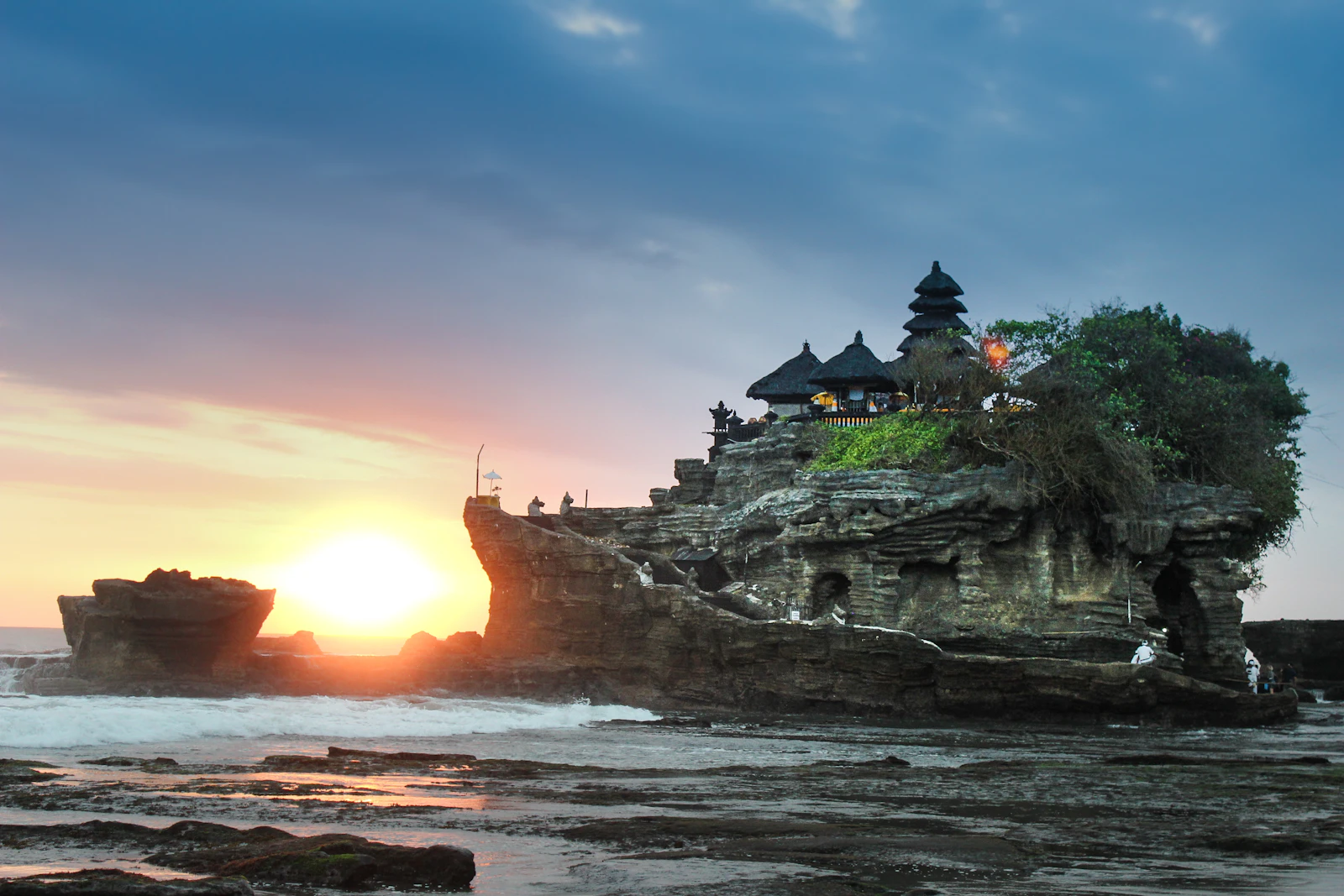
- Nusa Penida Day Trip: Take a 45-minute fast boat from Sanur harbor to Nusa Penida. Marvel at Kelingking Beach (the famous T-Rex shaped cliff formation), swim in the crystal-clear waters of Angel’s Billabong, and snap photos at Broken Beach.
Where to Stay in Bali for Different Travel Styles
Choosing the right accommodation base prevents spending hours stuck in Bali’s notorious traffic:
Ubud for Culture & Wellness: Ideal for first-timers, yogis, and foodies. Staying in central Ubud allows easy walking access to plant-based cafes, craft markets, and traditional art galleries.
Nusa Dua & Sanur for Relaxed Resorts: Best suited for families or travelers wanting quiet beachfront luxury, manicured walkways, and calm swimming waters.
Canggu & Seminyak for Nightlife & Dining: Great for digital nomads, surfers, and social travelers looking for beach clubs, trendy boutiques, and sunset bars.
Avoiding Overly Crowded Areas: If you prefer tranquility over party crowds, bypass central Kuta and Seminyak in favor of Sidemen Valley in East Bali or Munduk in the northern highlands.
> Bali Travel Tip: Always carry a sarong when visiting Balinese Hindu temples. Both men and women are required to cover their legs above the knee as a sign of respect.
—
Days 11–12: Komodo Island Trip — Dragons, Islands and Marine Life
Visiting Komodo National Park from Labuan Bajo
Fly from Bali (DPS) to Labuan Bajo (LBJ) on the island of Flores—a brief 60-minute flight that opens the door to one of the world’s most impressive marine reserves. A Komodo Island trip is an unmissable leg of any extended Flores Indonesia travel adventure.
From Labuan Bajo’s marina, book a full-day speedboat charter or an overnight liveaboard boat to navigate the UNESCO World Heritage-listed Komodo National Park.
#### Seeing Komodo Dragons Safely
Guided by official park rangers armed with wooden safety forks, hike through Rinca Island or Komodo Island. These prehistoric apex predators—the world’s largest living lizards—can grow up to 3 meters (10 feet) in length and weigh over 70 kilograms.
Safety Protocol: Keep a safe distance of at least 3 to 5 meters. Dragons rely on camouflage and sudden bursts of speed; always stay behind your ranger and follow their exact instructions.
Padar Island and Snorkeling Experiences
Beyond wildlife, Komodo National Park offers surreal geological formations and marine life.
Hiking Padar Island: Wake up before dawn to tackle the 800-step stone staircase to the summit of Padar Island. The top reveals a breathtaking vista: three distinct bays featuring white, pink, and black sand beaches sitting side-by-side.
Pink Beach (Pantai Merah): Relax on sand tinted soft pink by microscopic red organisms (Foraminifera) mixed with crushed red coral. The offshore reef offers vibrant coral gardens filled with tropical fish.
*Manta Point (Makassar Reef): Strap on a mask and fins to drift along feeding channels where majestic reef manta rays (Mobula alfredi) with wingspans reaching up to 4 meters glide gracefully beneath you.
—
Is This 2-Week Indonesia Itinerary Right for You?

Who Will Love This Route
Adventure Travelers: You enjoy 3:00 AM wake-up calls for volcanic sunrises, steep waterfall descents, and boat journeys.
Nature & Wildlife Enthusiasts: You want to check off UNESCO heritage sites, see active volcanoes, swim with manta rays, and spot prehistoric dragons.
First-Time Visitors to Indonesia: You want to sample multiple distinct islands—Java, Bali, Nusa Penida, and Flores—to experience the vast variety of the archipelago.
Who May Prefer a Slower Itinerary
Luxury & Relaxation Seekers: If your ideal holiday involves staying in one villa, getting daily massages, and lounging by an infinity pool, spending every 2–3 days moving between islands will feel exhausting.
Travelers with Young Children or Mobility Limits: The rough hikes at Tumpak Sewu, boat transfers, and early morning jeep trips require solid stamina and physical flexibility.
—
Indonesia Travel Tips From My 2-Week Journey

Best Time to Follow This Indonesia Itinerary
Indonesia sits on the equator and experiences two primary seasons: wet (monsoon) and dry.
Seasonal Overview for Java, Bali & Komodo:
├── Dry Season (May to October): BEST TIME TO VISIT
│   ├── Weather: Clear skies, low humidity, ideal sea conditions
│   └── Highlights: Perfect for volcanic trekking and Komodo diving
└── Wet Season (November to April): ROUGH CONDITIONS
    ├── Weather: Heavy monsoon downpours, high humidity
    └── Challenges: Trekking trails can close; rough seas cancel boats
Travelling in August provides dry weather, minimal rainfall on volcano hikes, and crystal-clear underwater visibility in Komodo.
What I Would Do Differently Next Time
Reflecting on this 14-day trip, a few small adjustments can make the experience even smoother:
- Build in a Buffer Day: High-speed sea crossings between Bali and Nusa Penida or Labuan Bajo can occasionally be delayed by rough waves. Keep a flexible 24-hour window before your international flight home.
- Pack Lighter: Moving between trains, jeeps, fast boats, and domestic planes is dramatically easier with a single 40L-50L travel backpack rather than rolling hardshell suitcases.
- Pace the Volcanic Hikes: Climbing down Tumpak Sewu and hiking Bromo back-to-back taxes your legs. Schedule a relaxing massage in Ubud immediately after arriving in Bali to recover.
- Prepare Cash (Indonesian Rupiah): While credit cards and Grab pay are widely accepted in Jakarta and Bali, small towns in East Java and Flores operate almost entirely on cash (IDR).
—
Final Thoughts on My 2-Week Indonesia Itinerary
Executing this two weeks in Indonesia itinerary highlights the sheer magic of the world’s largest archipelago nation. In just 14 days, you transition from the historic streets of Jakarta and the quiet majesty of Borobudur, to the roaring volcanic crater of Mount Bromo, the cultural serenity of Bali’s rice fields, and the prehistoric marine wonder of Komodo National Park.
While this 2-week Indonesia itinerary demands energy, early mornings, and frequent transit changes, the payoff is unparalleled. For travelers willing to embrace the pace, it delivers one of the richest, most diverse, and utterly unforgettable adventures anywhere in Southeast Asia.
—
Summary Checklist for Your Trip
Visa: Apply for the e-VOA (Electronic Visa on Arrival) prior to landing in Jakarta.
Health: Pack rehydration salts, sunscreen, insect repellent, and motion sickness medication for boat trips.
Currency: Keep $100–$200 USD equivalent in cash (IDR) on hand for rural locations.
Connectivity: Download Grab and Gojek apps for easy local transport and food delivery.