

 By
By Table of Contents
Morocco captivates travelers with its mesmerizing blend of ancient medinas, golden Sahara dunes, and snow-capped Atlas Mountains. If you’re searching for the best time to visit Morocco for weather, you’ll discover that this North African gem offers remarkable experiences across nine exceptional months throughout the year. From the perfect temperatures of spring to the crowd-free winter months, understanding Morocco’s diverse climate patterns is essential for planning your ideal Moroccan adventure.
Finding the best time to visit Morocco for weather depends on which experiences top your bucket list. The best time to visit Morocco is in spring, March to May, or fall, September to October.12 However, this enchanting country rewards visitors year-round with distinct seasonal advantages. Whether you’re dreaming of surfing Atlantic waves, trekking the High Atlas, or camping under Saharan stars, timing your visit perfectly transforms a good trip into an unforgettable journey.
In this comprehensive guide, we’ll reveal the nine magical months that offer optimal weather conditions for exploring Morocco’s diverse landscapes, complete with insider tips on temperature variations, regional climates, and strategic planning to maximize your Moroccan adventure across every season.
Table of Contents
- Understanding Morocco’s Diverse Climate Zones
- The Perfect Nine: Best Months for Ideal Weather
- Month-by-Month Weather Calendar
- Regional Weather Variations
- Seasonal Activities and Experiences
- What to Pack for Each Season
- Budget-Smart Weather Planning
- Special Events and Festivals by Season
Understanding Morocco’s Diverse Climate Zones {#climate-zones}
A common misconception about Morocco is that it’s scorching hot all year round. However, being a country on the Mediterranean, Morocco actually experiences four distinct seasons.3 Morocco’s climate is very diverse, varying with the season and region. In general the country has a tropical climate, with temperatures reaching as high as 35°C (95°F) and as low as 5°C (41°F) in the Sahara.4
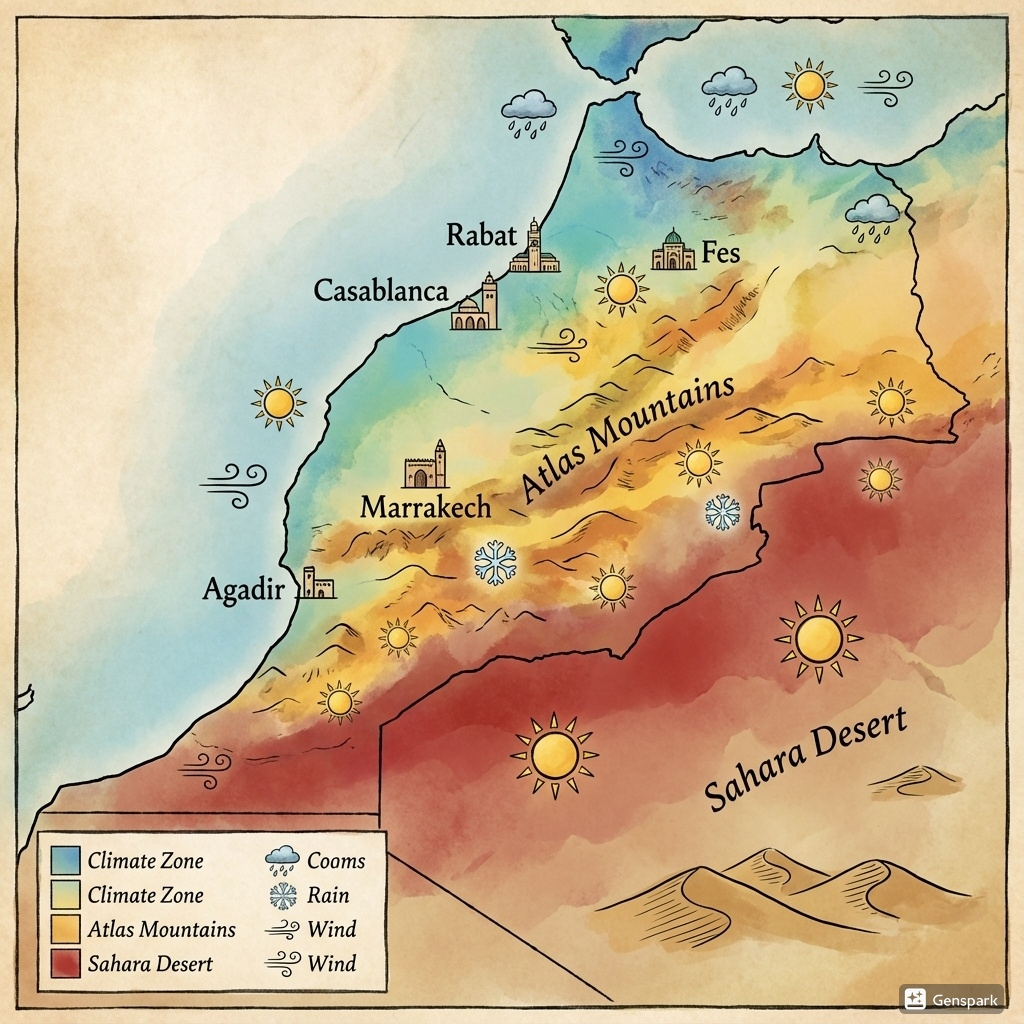
Morocco’s Four Distinct Climate Regions
Mediterranean Coast (Tangier, Tetouan)
- The coast has a warm, Mediterranean climate tempered on the eastern coast by southwest trade winds whilst inland areas have a hotter, drier, continental climate.4
- Year-round mild temperatures
- Wetter winters, dry summers
Atlantic Coast (Casablanca, Essaouira, Agadir)
- Ocean-moderated temperatures
- They could be 15°C lower in Essaouira on the coast in July and August5 compared to inland cities
- Perfect for summer beach vacations
Mountain Regions (Atlas Mountains)
- The High Atlas in central Morocco is the highest section of this range, with the altitude lending itself to dry summers and some snow in the winter.6
- Snow-covered peaks in winter
- Cool summer retreat
Desert & Inland Areas (Marrakech, Fes, Sahara)
- In the south of the country, the weather is very hot and dry throughout most of the year, though temperatures can drop dramatically at night; especially in the months of December and January.4
- Extreme temperature variations
- Scorching summers, cool winters
The Perfect Nine: Best Months for Ideal Weather {#perfect-nine}
Based on weather patterns, tourist flows, and seasonal highlights, here are the nine optimal months for visiting Morocco:
1. March – The Awakening Month 🌸
March is considered one of the best months to visit Morocco due to the mild and pleasant weather.7 Spring begins to paint the landscape in vibrant colors, making it perfect for diverse activities.
Weather Highlights:
- Temperature range: 17-23°C (63-73°F)
- March opens the season for hiking in the Atlas Mountains, as the blooming countryside offers the best views.7
- Wildflowers beginning to bloom
Why March is Special:
- Spring is a wonderful time to appreciate the natural beauty of Morocco. The countryside is lush and green, and the Atlas Mountains are still covered in snow.7
- Lower tourist numbers before peak spring season
- Perfect for both city exploration and mountain hiking
2. April – The Golden Month ☀️
April is widely considered one of the best months to visit Morocco, with temperatures ranging from 18-25°C (64-77°F).3 This month offers the perfect balance of pleasant weather across all regions.
April Advantages:
- The countryside is lush and green after the winter rains.3
- Spring in Morocco is usually considered the best time to visit. Temperatures are pleasant and it is sunny.3
- Ideal for Sahara adventures before extreme heat
3. May – The Blossoming Month 🌹
May is ones of the best times to visit Morocco as conditions are largely warm and balmy and it is probably the last month of summer where you can venture into the desert without it becoming unbearably hot.1
May Features:
- Temperature range: 20-30°C (68-86°F)
- In May, you’ll see the M’Goun valley come alive for a festival of roses.8
- It’s the last month to venture into the Sahara or explore bustling cities like Marrakesh before the intense heat arrives.9
4. September – The Return Month 🍂
Cooling down after the hot summer months, September is an ideal time to visit Morocco as you can enjoy the pleasant warm weather and clear blue skies the country offers as it heads into autumn.10
September Benefits:
- The beaches are not as busy from local holidaymakers, the cities welcome gentle breezes and exploring the desert becomes pleasant again.10
- Domestic and international travelers head back to school and work after the August summer holidays, so September is a great time to visit. The weather is warm, with long sunny days, balmy waters and quiet beaches.8
- Perfect temperatures across all regions
5. October – The Perfect Balance Month 🍁
October is one of the best months to visit Morocco, as temperatures are cooler and more comfortable for sightseeing.10
October Highlights:
- October is another prime month for visiting Morocco, with temperatures ranging from 18-28°C (64-82°F). Days are sunny and pleasant, while nights are cool.3
- October is also date season in the desert region, which is when Skoura, Erfoud and the surrounding valleys are at their most lush and vibrant.10
- It’s a great time to experience traditional harvesting festivities and, of course, get your fill of Mother Nature’s caramels.9
6. November – The Transition Month 🌤️
November marks the beginning of Morocco’s winter season with comfortable temperatures and fewer crowds.
November Advantages:
- Temperature range: 14-22°C (57-72°F)
- Morocco’s cities see lower foot traffic in November, making it a great time to tick off the highlights.9
- The cooler weather is the perfect excuse to cozy up in cafes with mint tea and a plate of warm Moroccan pastries.9
- Beginning of surf season on Atlantic coast
7. December – The Festive Month 🎄
The festive season in December in Morocco is a wonderful time to visit for sunshine and clear skies during the daytime, and cooler evenings.11
December Features:
- December – Low: 6°C | High: 19°C12 with sunshine averaging around 8 hours
- The Sahara Desert is sunny and dry, with crisp mornings and cool nights: perfect for camel treks and stargazing.13
- Christmas and New Year celebrations in major cities
8. January – The Cool Explorer Month ❄️
January is the coolest and wettest month with daytime highs of 50-68°F, though it’s chillier in the mountains and warmer in the desert.9
January Benefits:
- But it is also a good time to travel there if you want to escape the crowds, especially in the second half of the month.1
- The Sahara sees higher foot (read: camel) traffic due to more manageable daytime temps, while the rest of Morocco is usually crowd-free so you’ll have the sites and souks (almost) all to yourself.9
- If you visit Morocco in January, be sure to go around January 12th for Amazigh New Year14
9. February – The Almond Blossom Month 🌸
There’s less rain in February and temperatures increase slightly.9 This month offers unique natural spectacles and cultural experiences.
February Highlights:
- Temperature range: 14-20°C (57-68°F)
- The Almond Blossom Festival is a unique festival held usually in the second week of February. This is when the almond trees are at their blossoming peak.14
- Queues at popular sites are minimal and you’ll have more opportunities to banter with locals.9
Month-by-Month Weather Calendar {#monthly-calendar}
Here’s a detailed breakdown of weather conditions throughout the year:
| Month | Temperature Range | Rainfall | Crowd Level | Price Level | Best For |
|---|---|---|---|---|---|
| January | 12-18°C (54-64°F) | Moderate | Very Low | $$ | Desert tours, cultural sites |
| February | 14-20°C (57-68°F) | Low-Moderate | Low | $$ | Almond blossoms, surfing |
| March | 17-23°C (63-73°F) | Low | Low-Moderate | $$$ | Hiking, wildflowers |
| April | 18-25°C (64-77°F) | Very Low | High | $$$$ | Everything! |
| May | 20-30°C (68-86°F) | Very Low | High | $$$$ | Rose festival, last desert month |
| June | 25-35°C (77-95°F) | None | Moderate | $$$ | Coastal areas only |
| July | 30-40°C (86-104°F) | None | High (coast) | $$$$ | Beach vacations |
| August | 30-40°C (86-104°F) | None | Very High | $$$$ | Coast and mountains |
| September | 25-32°C (77-90°F) | Very Low | Moderate | $$$ | Return to all activities |
| October | 18-28°C (64-82°F) | Low | Moderate-High | $$$ | Perfect balance everywhere |
| November | 14-22°C (57-72°F) | Moderate | Low | $$ | Cities and culture |
| December | 10-19°C (50-66°F) | Moderate | Low-Moderate | $$$ | Desert camps, festivities |
Regional Weather Variations {#regional-variations}
Marrakech – The Red City
In Marrakesh, the summers are short, sweltering, arid, and clear and the winters are cool and mostly clear. Over the course of the year, the temperature typically varies from 44°F to 100°F and is rarely below 38°F or above 110°F.15
Best Months: March-May, September-November Avoid: July-August (extreme heat)
Sahara Desert
During May and October, you can get around comfortably in Morocco’s portion of the Sahara Desert – expect to find most desert camps closed from June to August due to the excessive heat.8
Best Months: October-April Special Consideration: Days are shorter during the winter months from December to February, and the nights and early mornings can be freezing, particularly when sleeping under canvas.8
Atlas Mountains
The High Atlas Mountains are a year-round hiking destination, but the weather is mildest from April to June and September to November, with ideal conditions for people of all fitness levels.8
Best Months: April-June, September-November Winter Sports: December-March for skiing
Atlantic Coast (Essaouira, Agadir)
Summer is one of the most crowded times in Morocco, and festivals take place across the country. The beaches are cooler than the inland from June to August, offering the best experience for vacationers.7
Best Months: May-October for beach activities Surfing Season: September through to March. This is because during these months, there is consistent swell, relatively warm water, and moderate air temperatures.14
Image Prompts:
- Desert Camp Evening: “Luxury desert camp with traditional tents under starry sky, campfire glowing, Sahara dunes in moonlight, December evening”
- Atlas Mountains Spring: “Snow-capped Mount Toubkal with green valleys below, wildflowers blooming, Berber shepherd with goats, April scenery”
- Essaouira Surf Season: “Surfers riding Atlantic waves at sunset, blue and white medina walls, seagulls flying, November atmosphere”
Seasonal Activities and Experiences {#seasonal-activities}
Spring Activities (March-May)
Hiking and Trekking
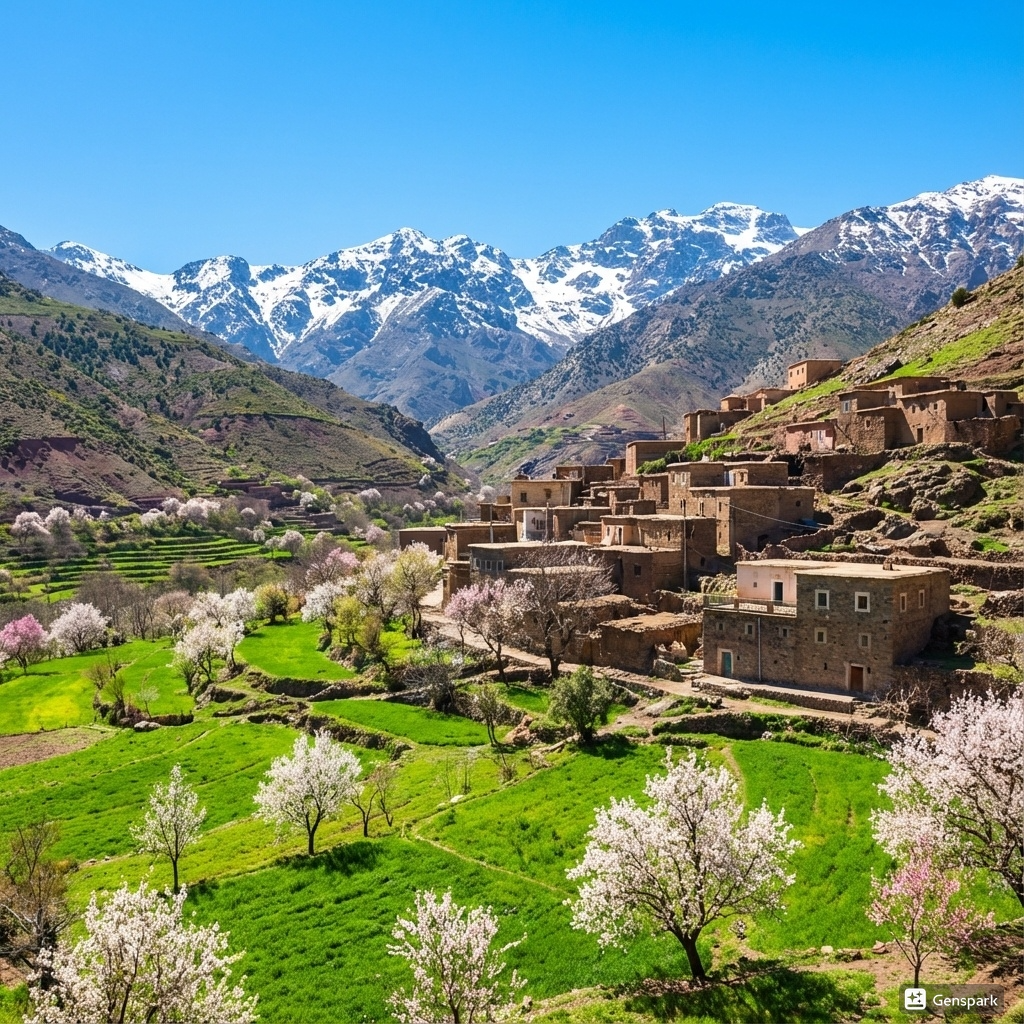
- During spring, the weather in the Atlas Mountains is generally mild and pleasant, making it an ideal time for trekking and generally the best time to climb Toubkal.16
- Valley of Roses blooms in May
- Perfect temperatures for multi-day treks
Cultural Exploration
- Ideal weather for exploring medinas
- Photography in perfect light conditions
- Garden visits when everything is in bloom
Autumn Adventures (September-November)
Desert Experiences
- This is during late autumn and the beginning of winter. The scorching summer heat starts to subside, and the weather becomes more comfortable for desert exploration. The days are warm and sunny, with average temperatures ranging from 20°C to 25°C (68°F to 77°F), making it ideal for Morocco camel treks, desert camping, and enjoying the sand dunes.16
City Tours
- Comfortable walking temperatures
- Outdoor dining in riads
- Rooftop experiences without extreme heat
Winter Wonders (December-February)
Unique Winter Activities
- Morocco has a couple ski resorts, but the most well-known one is Oukaïmeden, which is the biggest ski resort in Morocco. Oukaïmeden is in the Atlas mountains near the Toubkal mountain, the highest peak in Morocco.14
- December to February see the largest waves, and surfers flock to Taghazout, Mirleft, Sidi Ifni and other spots along Morocco’s west coast. A lively center for surf culture, Taghazout hosts an annual surf expo in October and international competitions.8
Cultural Immersion
- Fewer tourists at major sites
- Authentic local experiences
- Traditional hammam visits more enjoyable
What to Pack for Each Season {#packing-guide}
Spring & Autumn Packing Essentials
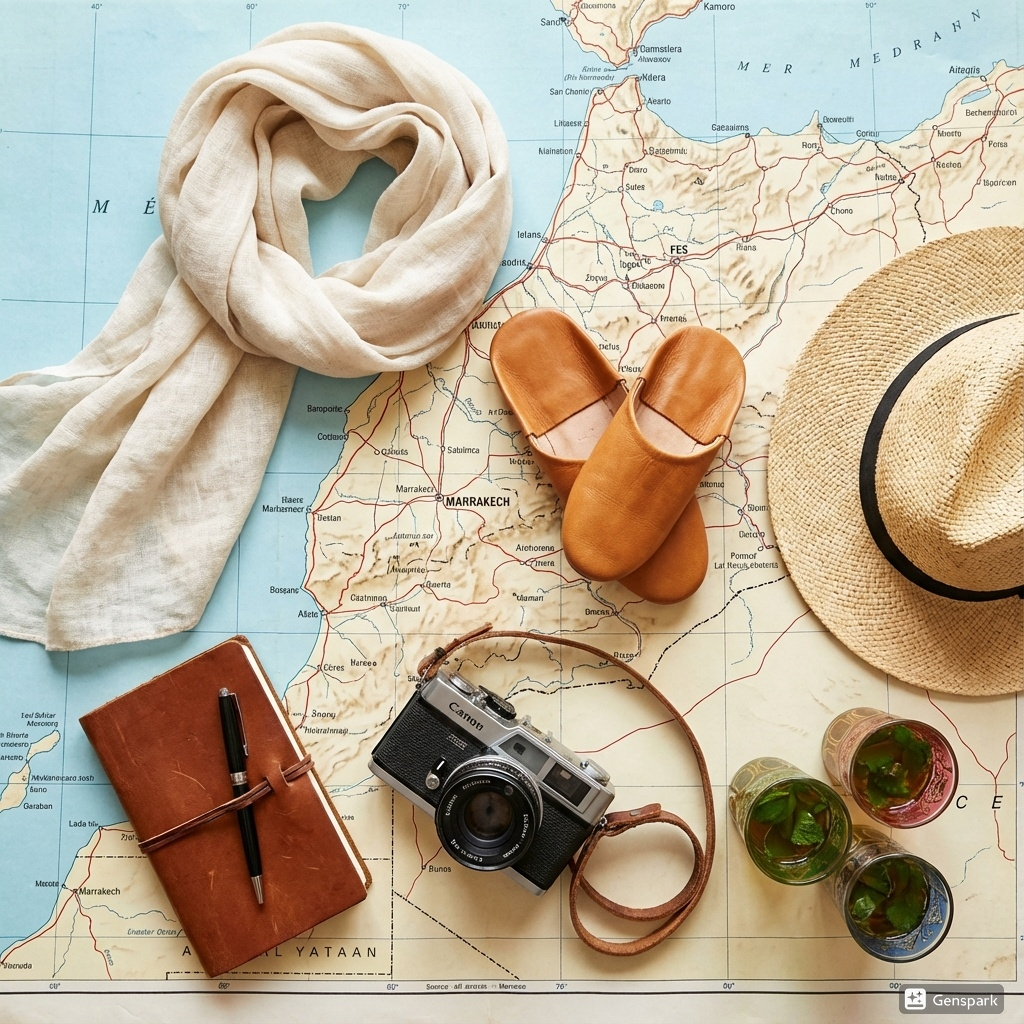
In spring and fall, pack layers to stay comfortable. Evenings in the desert can get surprisingly cold, so bring a warm jacket. Coastal areas like Essaouira can be windy, so a light windbreaker is useful.2
Essential Items:
- Layered clothing system
- Light rain jacket (spring)
- Comfortable walking shoes
- Sun protection (hat, sunglasses, sunscreen)
- Light scarf for visiting religious sites
Winter Packing List
Wherever you go, the most important thing to do on a winter vacation in Morocco is pack lots of layers.17
Must-Have Items:
- Warm jacket for evenings
- Thermal layers for desert nights
- Waterproof shoes
- Warm accessories (gloves, hat for mountains)
- Rain gear for coastal areas
Summer Considerations
For the hot months (June-August):
- Lightweight, breathable fabrics
- High SPF sunscreen
- Hydration system
- Light-colored clothing
- Swimwear for coastal areas
Budget-Smart Weather Planning {#budget-planning}
Seasonal Pricing Overview
Peak Season (April-May, September-October)
- Highest prices for accommodation
- The peak tourist season in Morocco is from April to October, with the most visitors during spring (April to June) and fall (September and October).2
- Book 3-6 months in advance
Shoulder Season (March, November)
- 20-30% savings on accommodation
- Good weather with moderate crowds
- Best value for money
Low Season (December-February)
- January and February are the coldest months and can be rainy, however, there are fewer visitors at this time of year, and hotels offer lower prices making it still a great option.11
- The winter months (except for the Christmas/New Year period) offer the best value, with lower accommodation prices and fewer crowds. November and January-February are particularly good for budget-conscious travelers.3
- 40-50% savings possible
Money-Saving Weather Tips
- Visit Desert in Winter
- Lower prices for desert camps
- More comfortable temperatures
- Exclusive experiences
- Coast in Shoulder Season
- Avoid summer crowds
- Still swimmable water
- Better hotel deals
- Cities Year-Round
- Owing to the relatively high winter temperatures, and summers that are dry rather than unbearably humid, Morocco is an all-year round destination.4
- Winter offers best value
- Spring/fall for perfect weather
Special Events and Festivals by Season {#festivals-events}
Spring Festivals
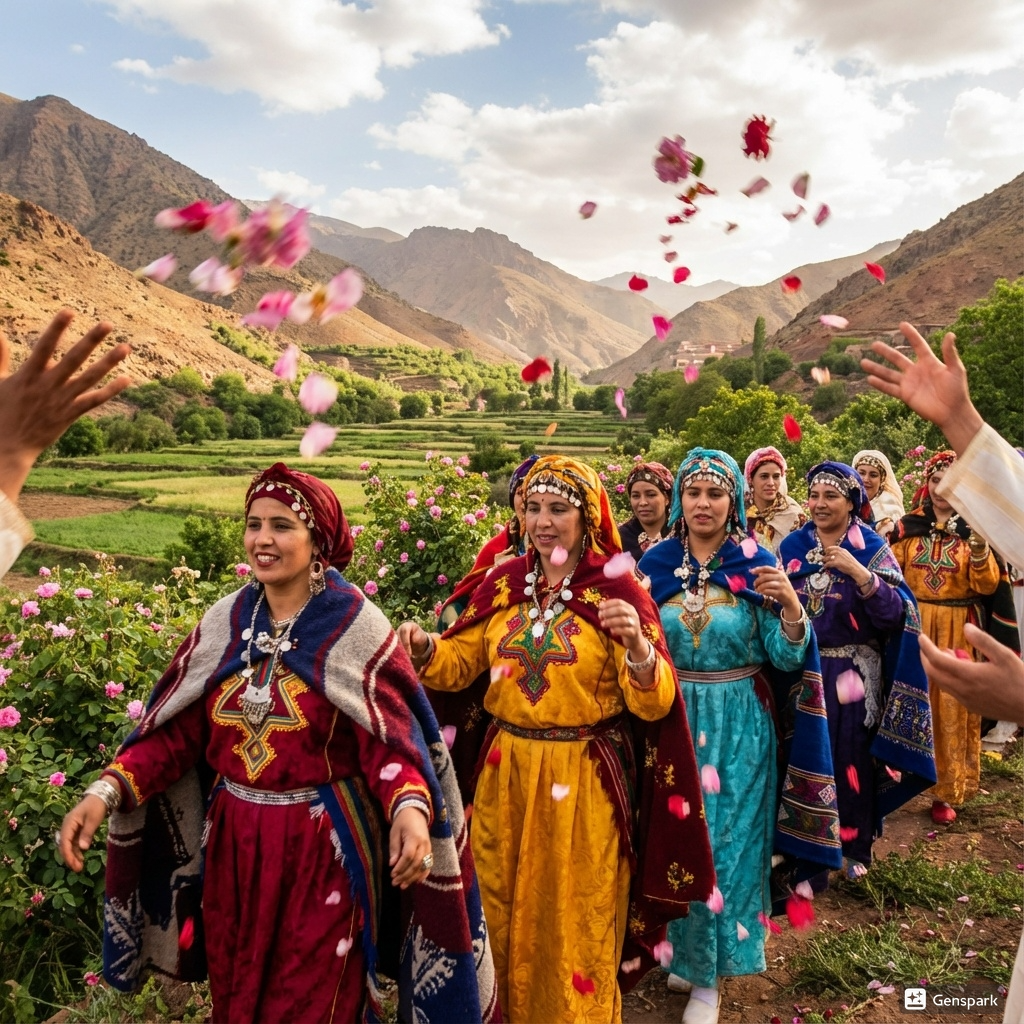
Rose Festival (May)
- Pickers then pluck tonnes of petals for rose water and oil production – a key ingredient in Arab culture. Festival of the Roses coincides with the end of the harvest season and is a fantastic cultural experience.9
- M’Goun Valley location
- Traditional music and dance
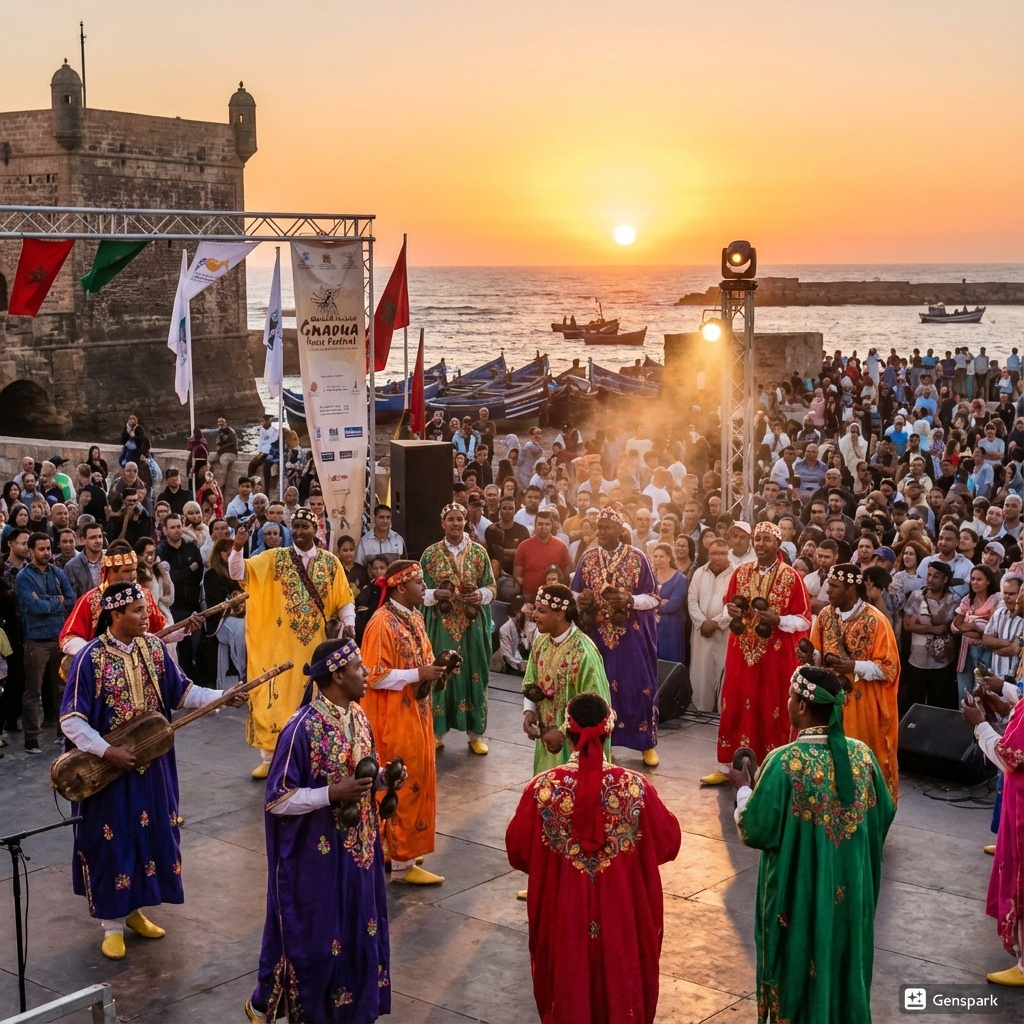
Gnaoua World Music Festival (June)
- Essaouira’s Gnaoua and World Music Festival and Rabat’s Mawazine – one of the world’s largest festivals – in June8
- Essaouira becomes music capital
- Book accommodations early
Autumn Celebrations
Date Festival (October)
- Erfoud desert region
- Traditional harvest celebrations
- Authentic cultural experiences
Winter Events
Almond Blossom Festival (February)
- The most notable is the Almond Blossom Festival in Tafraoute, where the locals celebrate the almond trees coming into bloom in February with music, dance, and art.18
- The hills and ruins in this region come alive with pink-white almond blossoms. During the festival, you can see and experience traditional dance, Berber folklore, blossoming trees, and of course delicious food.14
Marrakech International Film Festival (December)
- Held annually to promote and celebrate all forms of cinema, the festival was established in 2001 by King Mohammed VI, and takes place in Marrakesh.10
- Celebrity sightings
- Cultural events throughout city
Making Your Decision: Which Weather Window is Right for You?
Choose Spring (March-May) if:
- You love flowers and green landscapes
- Photography is a priority
- You want perfect weather everywhere
- Hiking and trekking appeal to you
Choose Summer (June-August) if:
- Beach vacations are your focus
- You can handle extreme inland heat
- You want to experience music festivals
- Mountain retreats interest you
Choose Autumn (September-November) if:
- Desert adventures top your list
- You prefer warm but not hot weather
- Cultural experiences matter most
- You want fewer crowds than spring
Choose Winter (December-February) if:
- Budget is a primary concern
- You enjoy cooler temperatures
- Surfing or skiing interests you
- Authentic local experiences appeal
Planning Your Perfect Morocco Weather Window
Booking Timeline Recommendations
For Peak Season (April-May, September-October):
- Book accommodations 3-6 months ahead
- Secure desert camps early
- Plan popular activities in advance
For Winter Months:
- Book 1-3 months ahead
- More flexibility available
- Last-minute deals possible
Weather-Smart Itinerary Tips
7-Day Trip:
- Focus on one climate zone
- Spring/Fall: Mix cities and desert
- Winter: Cities and coast
- Summer: Coast and mountains only
14-Day Journey:
- Experience multiple climate zones
- Best in shoulder seasons
- Allows weather flexibility
- Complete Morocco experience
Expert Weather Wisdom for Morocco Travel
Climate Change Considerations
Morocco, like the rest of the world, is seeing less predictable weather because of climate change. It means that the first snow of the year might be in November, or it might be December instead.17
Planning Tips:
- Check recent weather patterns
- Build flexibility into itineraries
- Pack for variations
- Consider travel insurance
Regional Weather Secrets
Lesser-Known Facts:
- Many people don’t realise that Morocco is a cold country with a hot sun, particularly out of the peak season.5
- Coastal fog in summer mornings
- Mountain microclimates vary drastically
- Desert sandstorms: Sandstorms occur from January to May, but Saharwians are used to these storms; follow their lead by wearing a Tuareg scarf to protect your face from the sand and sun.8
Conclusion: Your Perfect Morocco Weather Window Awaits
Determining the best time to visit Morocco for weather ultimately depends on your travel priorities, preferred activities, and temperature tolerance. The nine magnificent months we’ve highlighted – March through May, September through November, and December through February – each offer unique weather advantages for experiencing Morocco’s incredible diversity.
Morocco is usually very sunny, making it a perfect holiday destination regardless of when you choose to visit.3 Whether you’re drawn to the spring wildflowers of the Atlas Mountains, the perfect autumn temperatures of the Sahara, or the winter waves along the Atlantic coast, Morocco’s varied climate ensures memorable experiences year-round.
Remember that Morocco isn’t just one destination but many microclimates waiting to be explored. The “perfect” weather depends entirely on your planned activities. Desert camping requires different conditions than beach lounging, while city exploration can happen comfortably in almost any season.
Your Next Steps:
- Define your priorities: Desert adventure, beach relaxation, or cultural immersion?
- Choose your season: Perfect weather or budget-friendly travel?
- Select your regions: Coast, mountains, desert, or cities?
- Book strategically: Early for peak season, flexible for off-season
- Pack appropriately: Layers always, specifics depend on season
Morocco’s diverse weather patterns mean there’s always a perfect destination waiting, regardless of when you visit. The question isn’t whether Morocco has good weather – it’s which of its many perfect weather windows aligns best with your travel dreams.
Ready to experience Morocco’s perfect weather? Whether you choose the flower-filled springs, golden autumns, or surprising winters, Morocco’s climate diversity ensures your journey will exceed expectations. Start planning your weather-perfect Moroccan adventure today, and let this enchanting country reveal its seasonal secrets to you!
1 Comment