

 By
By When I first started planning a trip to Africa cost, I was overwhelmed by the wildly varying price estimates I found online. Some travelers claimed they backpacked the continent on $30 a day, while others insisted a proper African adventure required at least $300 daily. After months of research and a transformative journey across eight African countries, I discovered the truth lies somewhere in between—and that smart budgeting strategies can make all the difference.
My journey through Africa taught me that understanding the real costs isn’t just about finding the cheapest options—it’s about knowing where to splurge and where to save. By analyzing eight different budget levels, from ultra-budget camping to mid-range comfort, I managed to experience the best of Africa while keeping my wallet intact. Let me share how strategic planning and flexible budgeting turned my African dream into an affordable reality.
Table of Contents
Understanding Africa Travel Costs: The Big Picture
Before diving into specific budgets, let’s address the elephant in the room: Africa isn’t one homogenous destination when it comes to planning a trip to Africa cost. You can expect to pay anywhere from $2,500 to $10,000 for a two-week trip to Africa.1 This massive range exists because:
Regional Cost Variations:
- Zambia is comparable to Tanzania in terms of cost, but a really cheap country in Africa to visit is Malawi. If you like beautiful beaches, Mozambique is also somewhere you can travel on a modest $50 per day budget.2
- South Africa is not as expensive as you would imagine. You can travel South Africa for a budget of around $50 per day, per person, and live quite comfortably. Cape Town and Johannesburg are quite backpacker friendly, but again, your biggest expense in South African will be game drives.2
Major Cost Categories:
| Expense Category | Budget Range | Percentage of Total Budget |
|---|---|---|
| International Flights | $800 to $1,5001 | 20-30% |
| Accommodation | $10-300/night | 25-35% |
| Food & Drinks | $1 to $15 per meal1 | 10-20% |
| Activities & Safaris | $50-500/day | 20-40% |
| Transportation | $5-100/day | 10-15% |
| Visas & Insurance | $50 to $5001 | 5-10% |
Budget Level #1: The Ultra-Budget Backpacker ($30-50/day)
This budget level requires serious commitment to saving money but proves that Africa travel doesn’t have to break the bank.
What $30-50/day Gets You:
- Our nightly costs ranged from $1 to $5 a night.2
- Street Food: Local delicacies like chapati, suya, or bunny chow cost $1 to $5 per meal. These are flavorful and budget-friendly options.1
- Local transport (matatus, minibuses)
- Free activities like hiking and beaches
Sample Daily Budget:
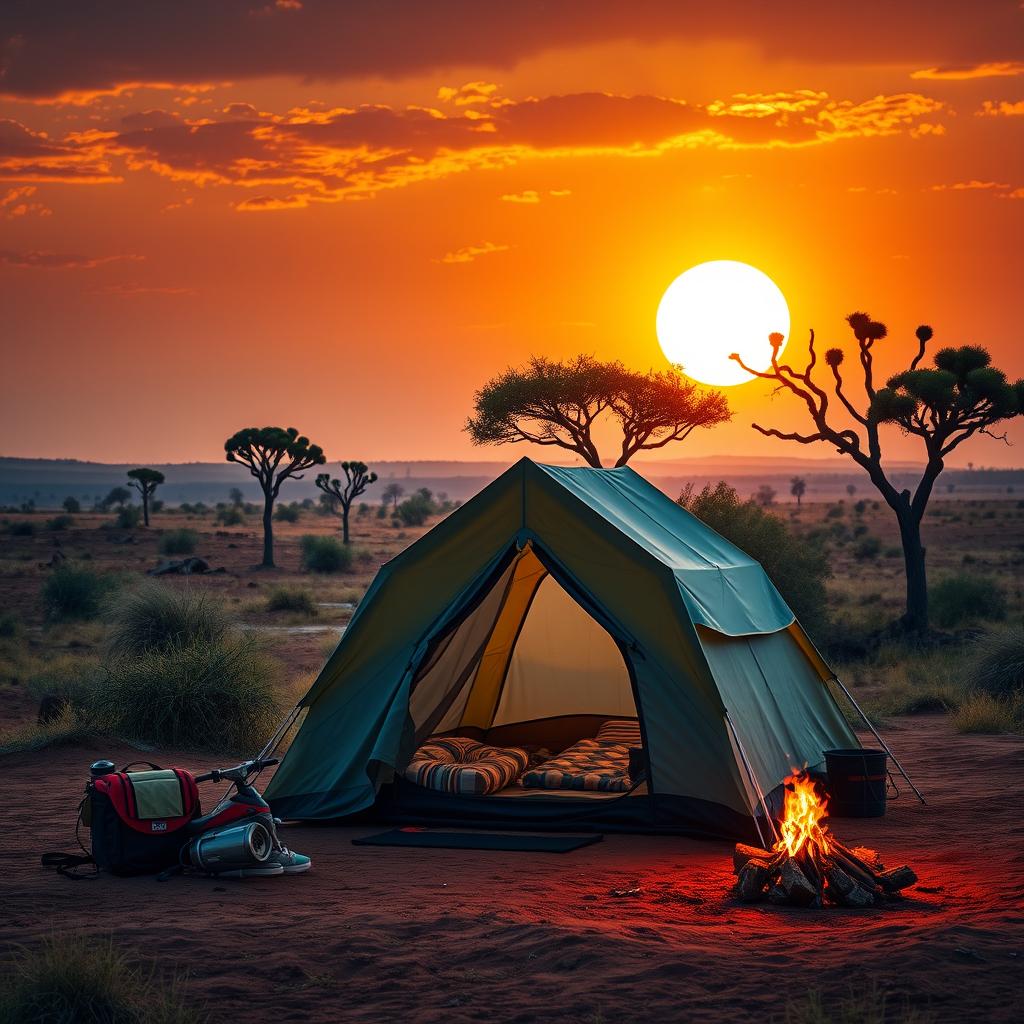
- Accommodation (camping/dorms): $5-10
- Food (street food/self-catering): $10-15
- Local transport: $5-10
- Activities/entertainment: $5-15
“I survived on this budget for three weeks in East Africa. The key was camping equipment and a willingness to eat where locals eat.” – Budget traveler testimonial
Budget Level #2: The Smart Camper ($50-75/day)
This sweet spot budget allows for more comfort while still keeping costs reasonable.
Upgraded Experiences Include:
- Mix of camping and budget guesthouses
- Local Restaurants: Dining at casual eateries costs $5 to $15 per meal. Meals often include staples like rice, stews, and grilled meats.1
- Occasional taxi rides for safety
- Budget safari options
Where This Budget Works Best:
- Accommodation- $20 per day equals $600 per month. On this budget, you can stay in budget hotels most nights with the occasional night couchsurfing, camping, sleeping in a hostel, or AirBnb.3
- East African countries (Kenya, Tanzania, Uganda)
- Malawi and Mozambique coastal areas
Budget Level #3: The Hostel Hopper ($75-100/day)
A typical traveler spends $109 (R1,901) per day on a trip to South Africa. This is the average daily price for a vacation in South Africa based on the expenses of other visitors.4
What You’ll Experience:
- Comfortable hostel private rooms or budget hotels
- Restaurant meals with occasional splurges
- Organized day tours and activities
- Reliable transportation options
Best For:
- Solo travelers seeking social experiences
- First-time Africa visitors
- Those wanting a balance of comfort and adventure
Budget Level #4: The Comfort Seeker ($100-150/day)
This budget level opens up significantly more options for experiences and accommodation.
Comfort Level Includes:
- A mid-range budget traveler can expect to spend about $180 per day in South Africa.5
- Mid-range hotels or nice guesthouses
- Mix of restaurants and fine dining
- Private transportation when needed
- Regular organized activities
Sample Itinerary Cost (per day):
- Accommodation: $40-60
- Meals: $30-40
- Transportation: $20-30
- Activities: $20-40
Budget Level #5: The Safari Enthusiast ($150-200/day)
Safaris are often the biggest expense in Africa, but this budget makes them accessible.
Safari Budget Breakdown:
- Serengeti National Park, Tanzania- This is probably the best and most famous safari park in Africa. It’s located in Tanzania. Expect to pay around $400-$500 for a 2 day one-night safari. This includes your guide, safari vehicle, and one night of accommodation in the park. Food may or may not be included.3
- Total cost was $209.05 per person.6 (for day safaris from major cities)
Budget Safari Options:
| Park | Country | 2-Day Cost | Includes |
|---|---|---|---|
| Kruger | South Africa | $150-250 | Self-drive option |
| Maasai Mara | Kenya | $300-$3503 | Guide & accommodation |
| Serengeti | Tanzania | $400-500 | Full package |
Budget Level #6: The Experience Maximizer ($200-250/day)
This budget allows you to say “yes” to most experiences while still being mindful of costs.
What’s Possible:
- Boutique hotels and lodges
- US$1000 to US$1300 a night — mid-level camp. Generally you get better accommodations, food, and guides, plus fewer up charges (if any), plenty of attention, and usually fewer people to a vehicle.7
- Multiple safari experiences
- Cultural tours and workshops
- Domestic flights for efficiency
Budget Level #7: The Luxury-Light Traveler ($250-300/day)
For those who want comfort without going full luxury, this budget offers excellent value.
Luxury-Light Includes:
- 4-star accommodations
- Fine Dining: High-end restaurants in major cities or resorts charge $20 to $100+ per meal. Expect gourmet dishes featuring local ingredients and international techniques.1
- Private guides and vehicles
- Premium safari experiences
Budget Level #8: The Splurge-Worthy Moments (Special Experiences)
Some African experiences are worth saving for, regardless of your daily budget:
Once-in-a-Lifetime Costs:
- The cost of a week-long trip to Africa to see the Rwanda mountain gorillas typically ranges from $2,500 to $5,000 per person. This price includes accommodations, permits for gorilla trekking, transportation within Rwanda, and some meals.8
- Hot air balloon safari: $400-600
- Helicopter tours: $200-500
- Cultural immersion experiences: $100-300
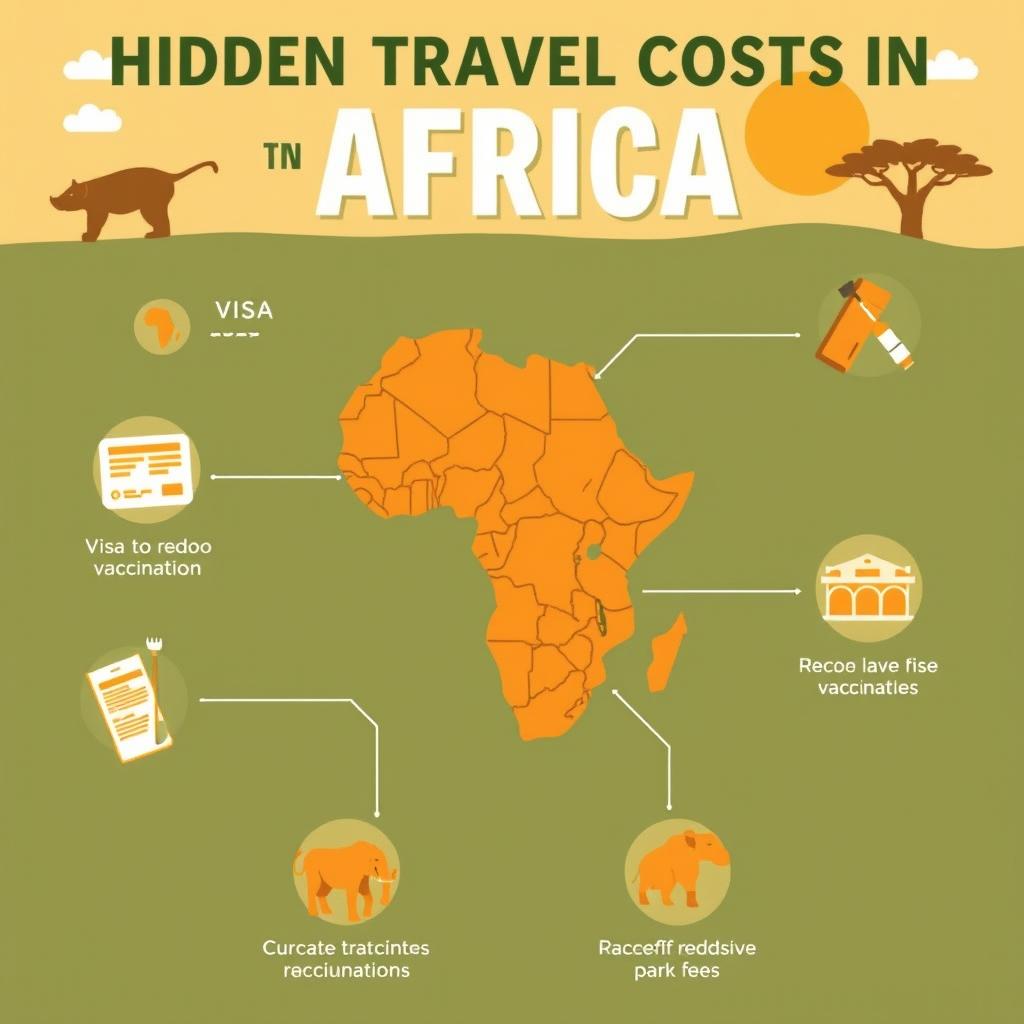
Hidden Costs That Can Bust Your Budget
When planning a trip to Africa cost, these often-overlooked expenses can add 20-30% to your budget:
1. Visa Fees
Typically, visas range from US50toUS50toUS 150 per person. A good African safari travel agent can advise you on the latest visa costs but also suggest cost-saving visa options like the KAZA visa that allows multiple entries between Zambia and Zimbabwe when visiting Victoria Falls.9
2. Health & Safety Costs
- Meningitis: $100 to $200, particularly if you’re visiting during peak meningitis season in sub-Saharan Africa. Rabies: $200 to $500 for a full course.1
- Malaria pills cost $50 to $200 depending on the brand and duration of your trip. Options include daily (e.g., doxycycline) or weekly (e.g., mefloquine) medications.1
3. Park Fees & Permits
African safari packages typically include transport on tour, accommodation during your safari, some (if not all) meals, selected beverages like local beers and soft drinks (high-end brands are usually excluded), game drives, and selected activities. There are however several costs that come up that are not included in the price of many African safari packages. Don’t let these “hidden” extra safari costs take you by surprise!9
4. Tips & Gratuities
Most of the people you’re interacting with rely upon tip money to get beyond life’s basics. In Botswana, I tend to recommend budgeting US$10 day for staff, plus US$10 day for your guide, who will generally be with you most of the time and helping you plan what you do and when.7
My Personal 2-Week Africa Trip Budget Breakdown
Here’s how I spent 14 days across Kenya, Tanzania, and South Africa:
Total Cost: $2,847 (excluding international flights)
| Category | Amount | Daily Average |
|---|---|---|
| Accommodation | $756 | $54 |
| Food & Drinks | $420 | $30 |
| Safari (3 days) | $850 | – |
| Local Transport | $280 | $20 |
| Activities | $320 | $23 |
| Visas | $150 | – |
| Insurance & Health | $71 | – |
Daily Average: $203
Interactive Budget Calculator
Use this framework to calculate your personalized Africa trip budget:
Step 1: Base Costs
- International flights: $_____
- Travel insurance: $_____
- Visas (# of countries × $75): $_____
- Vaccinations & medications: $_____
Step 2: Daily Costs (# of days)
- Accommodation budget/day: $_____
- Food budget/day: $_____
- Transportation/day: $_____
- Activities/day: $_____
Step 3: Special Experiences
- Safari days × daily rate: $_____
- Special activities: $_____
- Emergency fund (10%): $_____
Total Estimated Budget: $_____
Money-Saving Tips That Actually Work
After testing dozens of strategies, these actually made a difference:
Transportation Hacks
- If there’s one thing I recommend to ease your cost of travel in South Africa, it would be to rent a car for the duration of your stay. Not only will this come in handy for road trips, but it is also the safest, most cost-effective, and most efficient way to get around.10
- Book domestic flights early or use regional airlines
- Share safari vehicles with other travelers
Accommodation Strategies
- Mix camping with hotels for balance
- Use booking sites for last-minute deals
- Consider homestays for cultural experiences
Food & Dining
- Eat your main meal at lunch (often cheaper)
- Shop at local markets
- Carry a water filter to avoid buying bottles
Activity Planning
- Book directly with local operators
- Join group tours for expensive activities
- Take advantage of free hiking trails and beaches
Seasonal Considerations for Budget Planning
Your planning a trip to Africa cost should factor in seasonal variations:
High Season (June-October, December-January)
- Prices increase 20-50%
- Book accommodations early
- Better weather but crowded
Low Season (March-May)
- Significant discounts available
- Some camps close
- Excellent for budget travelers
Shoulder Season (February, November)
- Best value for money
- Good weather in most regions
- Fewer tourists
Country-Specific Budget Guidelines
East Africa
- Kenya: $80-150/day
- Tanzania: $90-160/day
- Uganda: $70-120/day
- Rwanda: $100-200/day
Southern Africa
- South Africa: $180 per day5 (mid-range)
- Botswana: $150-300/day
- Zimbabwe: $60-120/day
- Zambia: $70-130/day
Budget-Friendly Destinations
The least expensive countries for travel in Africa are currently Mauritania ($0.00), Mozambique ($0.00), Zimbabwe ($0.00), Rwanda ($24.06), and Ethiopia ($25.76).11
Making Your Dream Trip Affordable
The key to successful planning a trip to Africa cost is flexibility and smart choices. Here’s my proven strategy:
- Set Your Priorities
- List must-do experiences
- Allocate 40% of budget to these
- Be flexible with everything else
- Book Strategically
- Flights: 2-3 months advance
- Accommodation: Mix of advance and last-minute
- Activities: Research but book locally
- Create Buffer Zones
- Plan 2-3 “rest days” with minimal spending
- Build 15% emergency fund
- Have backup budget activities
Frequently Asked Questions
How much does an average trip to Africa cost?
So, how much does it cost to go to Africa from the US? The answer is that it depends! However, you can expect to pay anywhere from $2,500 to $10,000 for a two-week trip to Africa.1 This wide range depends on your travel style, destinations, and activities chosen.
What are hidden costs in Africa travel planning?
Key hidden costs include:
- Visa costs vary from country to country. Typically, visas range from US50toUS50toUS 150 per person.9
- Health preparations (vaccinations, malaria prophylaxis)
- Tips and gratuities (budget $20-30/day)
- Park entrance fees (often $50-100/day)
- Airport transfers and internal flights
How to budget for a 2-week Africa trip?
For a balanced 2-week trip mixing comfort and adventure:
- Budget travelers: $1,400-2,100 ($100-150/day)
- Mid-range travelers: $2,100-3,500 ($150-250/day)
- Comfort travelers: $3,500-5,000 ($250-350/day)
Always add 15-20% for unexpected expenses and spontaneous opportunities.
Final Thoughts: Your African Adventure Awaits
After exploring eight different budget levels across Africa, I’ve learned that the continent offers incredible value at every price point. Whether you’re camping under the stars for $30 a day or enjoying lodge luxury at $300, the key to successful planning a trip to Africa cost lies in understanding your priorities and planning accordingly.
My journey taught me that Africa rewards the prepared traveler. By mixing budget levels—camping some nights, splurging on that sunset safari, eating street food for lunch but enjoying a nice dinner—I experienced far more than if I’d stuck rigidly to one budget category.
Remember: Your African adventure doesn’t have to wait until you’ve saved a fortune. Start planning now, use these budget strategies, and watch your dream trip become an affordable reality. The memories you’ll create are truly priceless, regardless of what you spend.
Ready to start planning? Download our free Africa Budget Planning Template and begin mapping out your adventure today. Whether you’re dreaming of watching the Great Migration, tracking mountain gorillas, or simply soaking up the incredible cultures, Africa is waiting for you—at a price you can afford.
Image Prompt 7: Create an inspiring sunset image of an African savanna with silhouettes of travelers watching wildlife, acacia trees, and warm golden light, conveying the magic of affordable African adventure.
Have you traveled to Africa on a budget? Share your money-saving tips in the comments below! And don’t forget to save this guide for your trip planning.