

 By
By Table of Contents
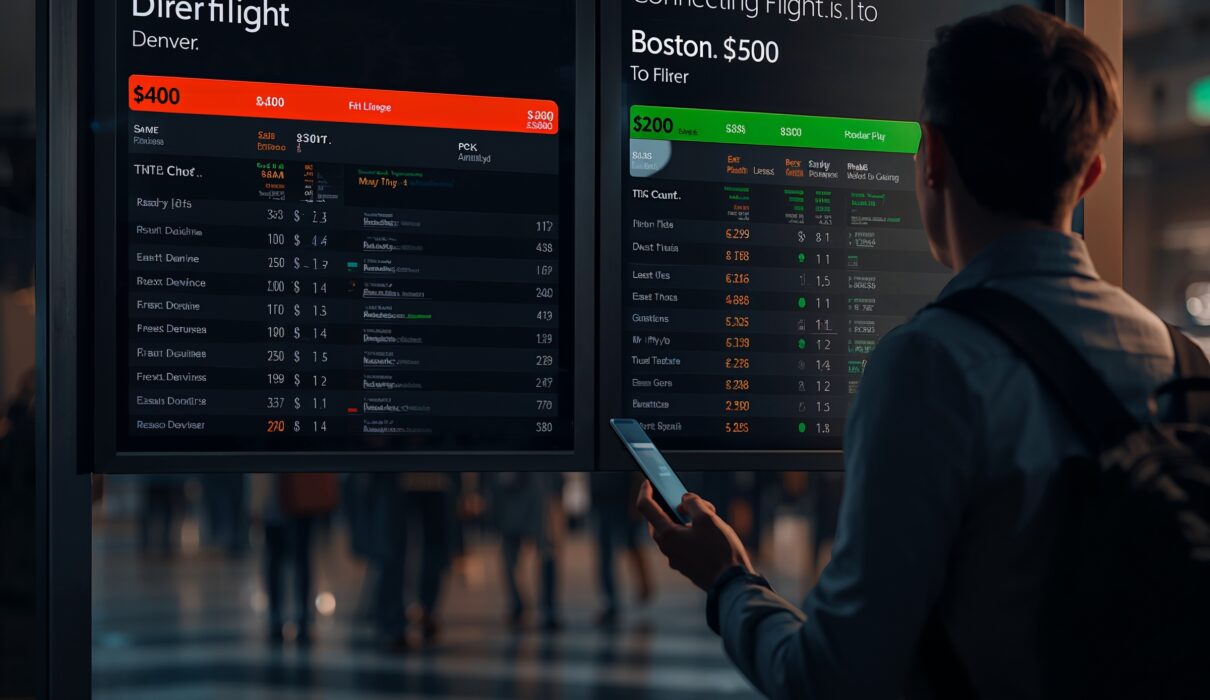
The controversial practice of hidden city ticketing has quietly saved travelers millions of dollars, offering legitimate ways to reduce airfare costs by up to 50% or more on both domestic and international routes. Also known as skiplagging or point-beyond ticketing, hidden city ticketing exploits pricing inefficiencies where flights with connections cost less than direct routes to the hub cities themselves—a quirk that budget-conscious travelers have leveraged for decades. While airlines strongly discourage this practice and it violates their contracts of carriage, understanding the legal landscape, risks, and ethical alternatives surrounding hidden city ticketing empowers you to make informed decisions about your travel booking strategies while potentially saving thousands annually.
The Economics Behind Hidden City Ticketing
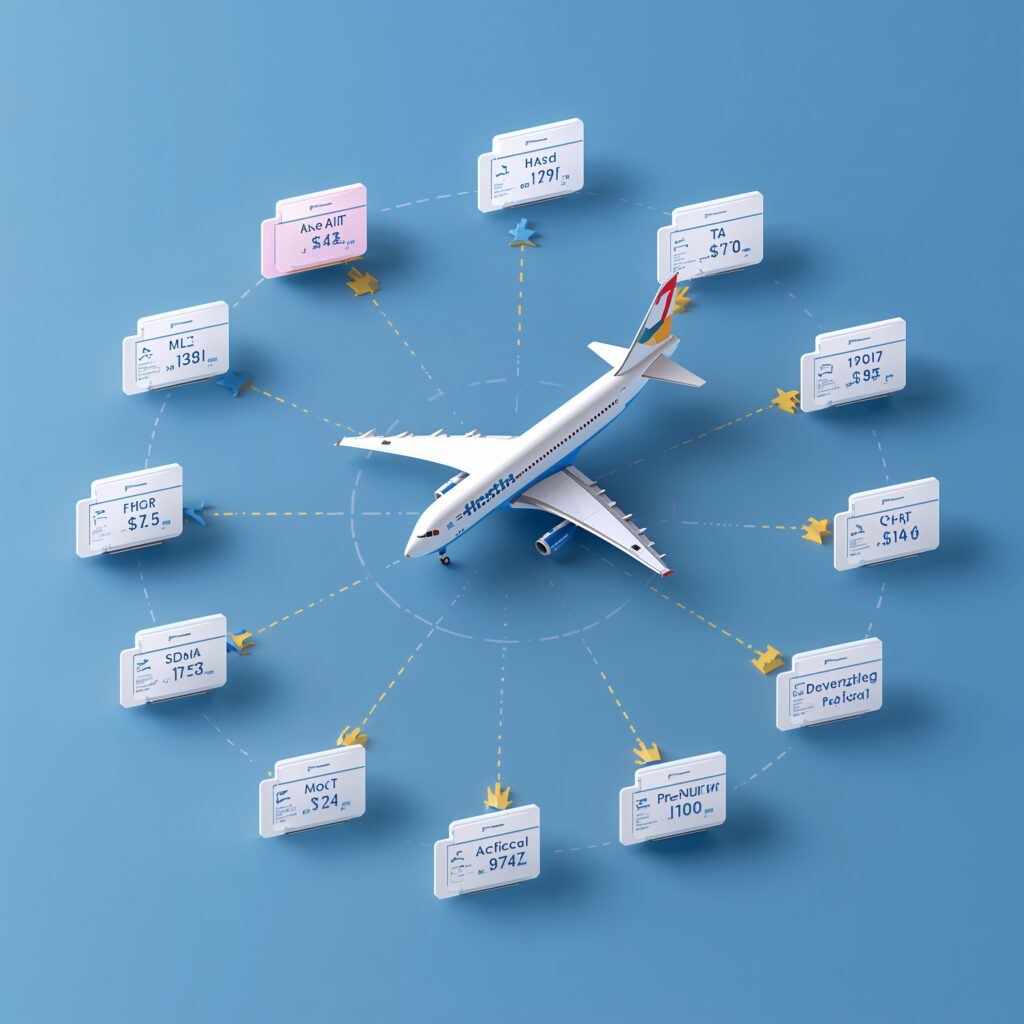
The phenomenon of hidden city ticketing exists because airlines use hub-and-spoke systems combined with competitive market pricing that creates logical inconsistencies. Understanding these market dynamics reveals why a flight from San Francisco to Boston with a connection in Denver might cost $250, while the direct San Francisco to Denver flight costs $400.
Market Competition and Pricing Anomalies
Why These Price Differences Exist:
| Factor | Impact on Pricing | Hidden City Opportunity |
|---|---|---|
| Market competition | -30% to -50% on competitive routes | High savings on monopoly segments |
| Hub premium | +40% for convenience | Skip final leg to save |
| Business travel demand | +60% on direct routes | Leisure travelers benefit |
| Algorithm optimization | Dynamic pricing gaps | Temporary arbitrage windows |
| Partner airline pricing | Inconsistent rates | Cross-carrier opportunities |
Airlines must compete on routes like San Francisco to Boston, driving prices down. However, they might dominate San Francisco to Denver, allowing premium pricing. This creates the perfect storm for skiplaggers.
Real-World Pricing Examples
Actual Routes with Hidden City Opportunities (November 2024):
- Dallas → Charlotte: $312 direct
- Dallas → Atlanta (via Charlotte): $156
- Savings: $156 (50%)
- Los Angeles → Phoenix: $287 direct
- Los Angeles → Albuquerque (via Phoenix): $118
- Savings: $169 (59%)
- Chicago → Miami: $425 direct
- Chicago → Fort Lauderdale (via Miami): $198
- Savings: $227 (53%)
Legal Status and Airline Policies
Let’s address the elephant in the room: hidden city ticketing occupies a complex legal gray area that every traveler must understand before attempting this strategy.
The Legal Framework
Critical Legal Distinctions:
What IS Legal:
- ✓ Purchasing any ticket offered for sale
- ✓ Choosing not to complete your journey
- ✓ Missing a flight segment
- ✓ Using search tools to find routing options
What ISN’T Legal:
- ✗ Fraudulent misrepresentation (rare cases)
- ✗ Violating specific country regulations (Germany has unique rules)
Contract Violations (Not Criminal):
- Breaking airline terms of service
- Potential civil remedies for airlines
- No criminal penalties in most jurisdictions
Airline Enforcement Mechanisms
Airlines have developed sophisticated methods to combat hidden city ticketing:
Detection Methods:
- Pattern Recognition: AI algorithms flag frequent “missed” connections
- Booking Analysis: Identifying suspicious one-way purchases
- Check-in Monitoring: Tracking no-shows on final segments
- Cross-Reference Systems: Sharing data between alliance partners
Enforcement Actions Taken:
| Action | Frequency | Severity | Legal Basis |
|---|---|---|---|
| Warning letters | Common | Low | Contract terms |
| Miles forfeiture | Occasional | Medium | Loyalty program rules |
| Account closure | Rare | High | Terms violation |
| Fare recalculation | Very rare | High | Contract breach |
| Legal action | Extremely rare | Severe | Civil courts |
Safe Implementation Strategies
If you choose to engage in hidden city ticketing despite the risks, these strategies minimize potential consequences:
The Conservative Approach
Rules for Safer Skiplagging:
- One-Way Tickets Only
- Never book round-trips (return gets cancelled)
- Separate bookings for each direction
- Different airlines for variety
- Carry-On Luggage Exclusively
- Checked bags go to final destination
- Pack light and efficient
- Use compression bags
- Diversification Protocol
- Rotate between 5-6 airlines
- Limit to 2-3 times annually per carrier
- Avoid patterns
- Operational Security
- Never contact airlines
- Don’t link to frequent flyer accounts
- Use different email addresses
- Pay with various cards
Technology and Tools
Platforms for Finding Hidden City Routes:
| Platform | Risk Level | Features | Cost | Success Rate |
|---|---|---|---|---|
| Skiplagged.com | Medium | Dedicated search | Free | 75% |
| Google Flights | Low | Multi-city tool | Free | 60% |
| ITA Matrix | Low | Advanced routing | Free | 70% |
| Momondo | Low | Alternative routes | Free | 65% |
| Manual searching | Lowest | Full control | Free | 80% |
The Booking Process
Step-by-Step Execution:
Research Phase (30 minutes):
- Search normal routing first
- Check hidden city alternatives
- Verify actual availability
- Calculate total savings
- Assess risk factors
Booking Phase (10 minutes): 6. Clear browser cookies 7. Use incognito mode 8. Book directly with airline 9. Select basic economy 10. Screenshot everything
Post-Booking (Ongoing): 11. Don’t select seats early 12. Check in exactly 24 hours prior 13. Act normally at airport 14. Never mention plans
Legal Alternatives That Achieve Similar Savings
For risk-averse travelers, several completely legal strategies can match hidden city ticketing savings:
1. Nested Ticketing
Book two round-trips that overlap for extended stays:
- Traditional: NYC-LA round-trip for 3 weeks = $800
- Nested: NYC-LA round-trip Week 1 + LA-NYC round-trip Week 3 = $400
- Savings: 50% completely legally
2. Fuel Dumping (Legal Version)
Add specific segments that trigger fuel surcharge removal:
- Original fare: $1,200 (including $400 fuel surcharge)
- With strategic segment: $850 (fuel surcharge waived)
- Completely within airline rules
3. Open-Jaw Routing
Fly into one city, out of another:
- Hidden city risk: NYC → Paris (via London), skip Paris = $300
- Open-jaw legal: NYC → London, Paris → NYC = $320
- Nearly identical savings, zero risk
4. Positioning Flights
Use budget carriers to reach cheaper departure points:
Example Strategy:
- Boston → London direct: $750
- Boston → NYC (bus/train): $40
- NYC → London: $380
- Total: $420 (44% savings)
5. Error Fare Hunting
Monitor mistake fares for massive legal savings:
- Completely legal when honored
- No contract violations
- Airlines must honor if purchased
- Savings often exceed 70%
International Considerations
Hidden city ticketing becomes significantly more complex with international travel:
Immigration and Customs Issues
Critical Complications:
| Issue | Domestic Impact | International Impact | Risk Level |
|---|---|---|---|
| Immigration records | None | Major complications | High |
| Visa requirements | None | Potential violations | Severe |
| Customs declarations | None | Legal issues | High |
| Biometric tracking | Minimal | Permanent records | Medium |
| Security screening | Standard | Enhanced scrutiny | Medium |
Schengen Zone Specifics
The European Schengen Area presents unique challenges:
- Entry/exit stamps create paper trail
- Intra-Schengen flights lack immigration
- Mixed routings cause confusion
- Database tracking increasing
Safe Approach: Only skip segments within same country or after clearing immigration at intended destination.
Financial Analysis: True Cost vs. Savings
Comprehensive Cost-Benefit Calculation
Hidden City Ticketing ROI Analysis:
Potential Savings per Flight:
- Average savings: $200-400
- Maximum observed: $1,200
- Typical percentage: 40-60%
Hidden Costs and Risks:
- Lost loyalty miles: $50-200 value
- Stress and anxiety: Unquantifiable
- Potential account ban: Future booking limitations
- Legal consultation if sued: $500-2,000
- Alternative booking costs if caught: 2-3x original fare
Break-Even Analysis
When Hidden City Makes Financial Sense:
- Savings exceed $300 per ticket
- One-time special occasion
- No loyalty program involvement
- Alternative transport available
- Full understanding of risks
Case Studies and Real Experiences
Success Story: The Conference Attendee
Profile: Marketing executive, occasional traveler Route: Miami → Denver (via San Francisco) Intended: Miami → San Francisco Saved: $425 Outcome: Successfully traveled 3 times, no issues
Cautionary Tale: The Frequent Flyer
Profile: Consultant, weekly travel Attempted: 23 hidden city tickets in 8 months Consequence: Lost 180,000 miles, banned from airline Financial Impact: -$4,500 in lost benefits
Middle Ground: The Strategic User
Profile: Budget traveler, quarterly trips Approach: 2-3 hidden city tickets annually Strategy: Different airlines, cash bookings Result: $1,800 saved, no consequences (yet)
Ethical Perspectives and Industry Impact
The Moral Debate
Arguments Supporting Hidden City Ticketing:
- Free market principles
- Airlines use predatory pricing
- Consumer choice rights
- David vs. Goliath narrative
- Pricing transparency issues
Arguments Against:
- Contract violation ethics
- Increased costs for others
- Operational disruptions
- Unfair to rule-following passengers
- Sustainability concerns
Industry Response Evolution
Airlines are adapting strategies beyond enforcement:
New Countermeasures:
- Dynamic rebooking: Automatically rerouting passengers
- Biometric boarding: Harder to skip segments
- Integrated pricing: Reducing arbitrage opportunities
- Legal precedents: Building case law
- Technology solutions: Blockchain ticketing coming
Future Outlook and Predictions
Technology Disruption
Emerging Trends 2025-2027:
- AI-powered pricing eliminating gaps
- Mandatory biometric check-ins
- Smart contracts on blockchain
- Real-time repricing algorithms
- End-to-end journey tracking
Regulatory Changes
Potential Legislative Actions:
- EU considering passenger rights updates
- US DOT reviewing airline practices
- Consumer protection enhancements
- Transparency requirements increasing
- International cooperation growing
Your Decision Framework
Risk Assessment Checklist
Should You Try Hidden City Ticketing?
Rate yourself (1 point each):
- Savings exceed $300
- Traveling solo with carry-on only
- One-way ticket needed
- No loyalty program attachment
- Understand all risks
- Have backup plans
- Comfortable with ethical implications
- Not a frequent flyer with airline
- Alternative transport available
- Legal resources if needed
Score Interpretation:
- 8-10: Reasonable risk-reward ratio
- 5-7: Proceed with extreme caution
- 0-4: Consider alternatives
Conclusion: Navigating the Hidden City Dilemma
Hidden city ticketing remains one of travel’s most controversial money-saving strategies, offering undeniable financial benefits while carrying real risks and ethical considerations. The practice exists because of genuine market inefficiencies and airline pricing strategies that often seem unfair to consumers. While savings of 50% or more are absolutely achievable, they come with potential consequences ranging from mild inconvenience to significant financial and travel impacts.
For most travelers, legal alternatives like open-jaw routing, positioning flights, and error fares provide similar savings without the associated risks. However, for those who choose to engage in skiplagging, success requires careful planning, strict adherence to safety protocols, and full acceptance of potential consequences.
Ultimately, the decision to use hidden city ticketing is personal, balancing financial savings against risk tolerance and ethical considerations. As airlines continue developing countermeasures and technology advances, the window for this practice may be closing. Whether you choose to skip that final segment or take the conventional route, the key is making an informed decision that aligns with your values and travel goals.
1 Comment