

 By
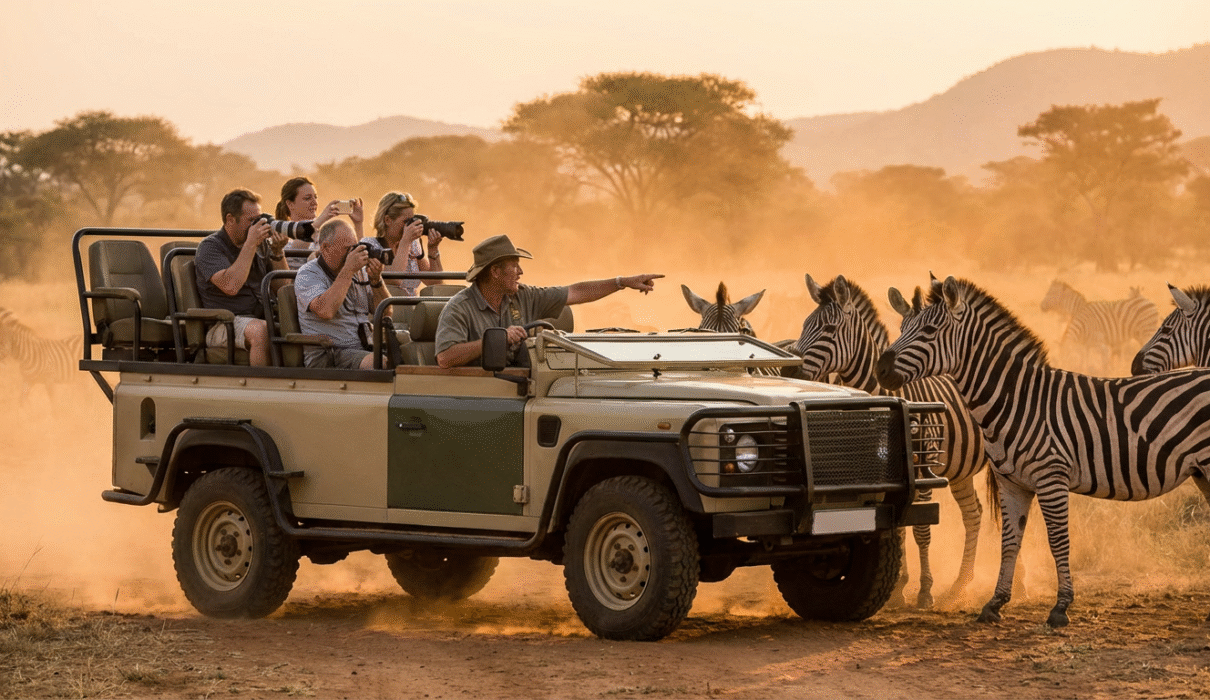
By Picture this: Over 1.5 million wildebeest thundering across endless golden savannahs, dramatic river crossings filled with heart-stopping suspense, and Africa’s most iconic predators following nature’s greatest spectacle. If you’re searching for the best time to visit Masai Mara, you’re about to discover exactly when to witness this wildlife magic unfold in Kenya’s crown jewel safari destination.
If you are planning your safari, consider the best time to visit Masai Mara to ensure you witness the incredible wildlife spectacles. The best time to visit Masai Mara is essential for maximizing your safari experience.
During your planning, be sure to factor in the best time to visit Masai Mara, which can significantly enhance your adventure. Understanding the best time to visit Masai Mara will help you make informed decisions for optimal wildlife encounters.
The best time to visit Masai Mara National Reserve is during the Dry season from June to October.1 However, this remarkable ecosystem offers year-round wildlife encounters that will leave you breathless. Whether you’re dreaming of witnessing the Great Migration, photographing newborn animals, or enjoying exclusive safari experiences without the crowds, timing your Masai Mara adventure perfectly makes all the difference.
In this comprehensive guide, we’ll reveal the seven magical months that offer the most extraordinary wildlife experiences, complete with insider tips on weather patterns, animal behavior, and strategic planning to maximize your Kenya safari investment. Let’s dive into the seasonal secrets that transform a good safari into an unforgettable African odyssey.
Table of Contents
Understanding Masai Mara’s Seasonal Patterns {#seasonal-patterns}
The climate in Masai Mara is pleasantly warm, with cool nights all year round. This area is located just south of the Equator, but at an altitude between 1,500 and 1,900 meters. Temperatures are slightly higher from October to March, while they are slightly cooler from June to August.2
Why Knowing the Best Time to Visit Masai Mara Matters
The Masai Mara experiences two distinct seasons that dramatically influence wildlife viewing opportunities:
Dry Season (June – October)
- Characteristics: Animals draw near to rivers and waterholes and vegetation is thinner, making wildlife easier to find and to see.1
- Temperature Range: The average daytime temperature is around 77 F (25 C) from June to August while the nighttime lows are around 50 F (10 C). The average daytime temperatures range from 79 F (26 C) to 82 F (28 C) in September through May, and the temperatures drop at night to lows of 55 F (13 C).3
- Wildlife Activity: Peak game viewing with concentrated animal sightings
Wet Season (November – May)
- Short Rains: November to December
- Long Rains: April is a low season month and has more rainfall than any other time of the year. It’s slightly cooler than March but it’s still warm. This is the period of the ‘long rains’ and a few Masai Mara lodges and camps may close over this time to attend to general maintenance and refurbs, and to give their staff a long and well-deserved break.4
- Benefits: Lush landscapes, newborn animals, fewer tourists, lower prices
The Magnificent Seven: Best Months for Wildlife Magic and the Best Time to Visit Masai Mara
Based on wildlife patterns, weather conditions, and visitor experiences, here are the seven optimal months for visiting Masai Mara:
1. July – The Arrival Month 🦓
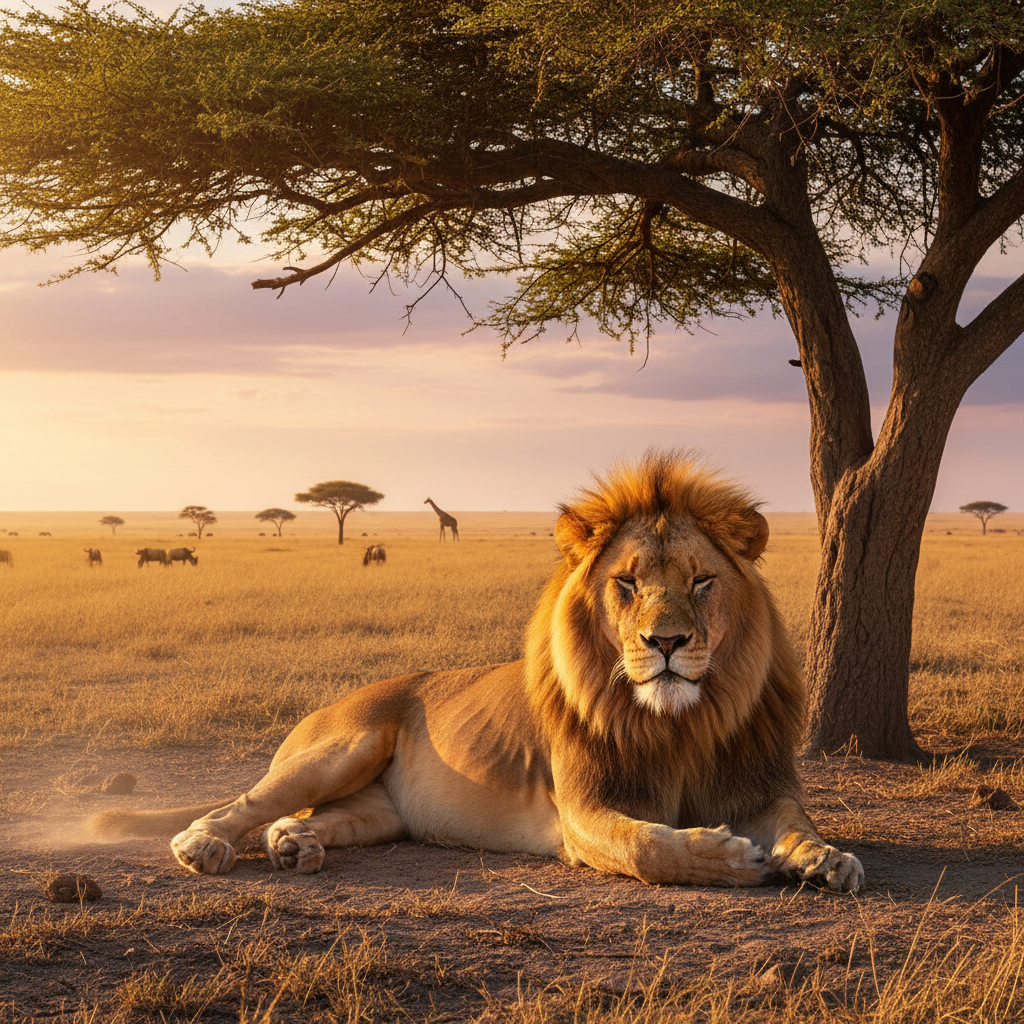
In July the wildebeest herds may start to arrive in the Mara after their journey from the Serengeti. The daytime conditions are very pleasant with warm weather, but it can get cold in the evenings and on early morning game drives. It is the driest month of the year which keeps the wildlife within reach of their watering holes. This is the best time for a Big 5 safari in the Masai Mara, but it’s one of the busiest months of the year – prices go up and sightings can become crowded in the national reserve.4
Wildlife Highlights:
- First major river crossings begin
- Predator activity intensifies
- Big 5 sightings at their peak
2. August – The Epic Crossing Month 🐊
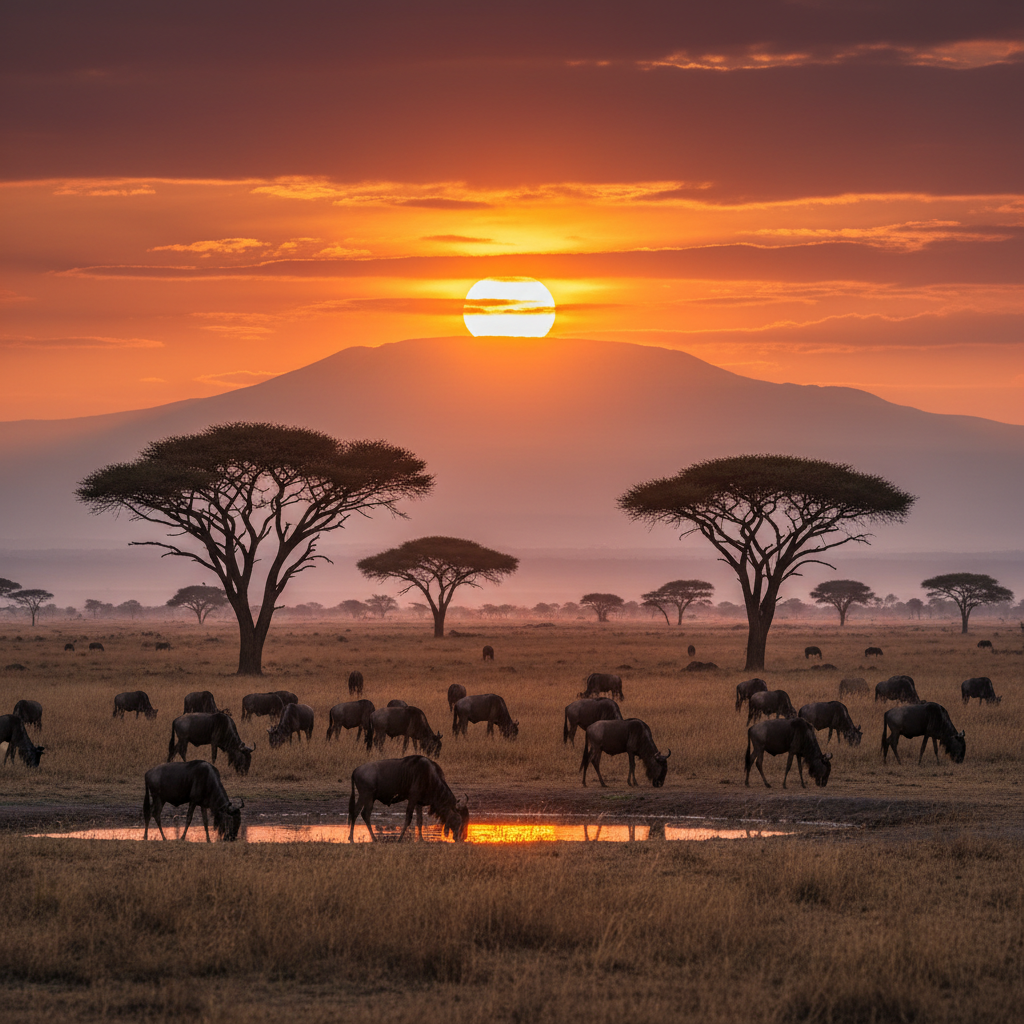
August is the best month to visit if you want to see the annual Wildebeest Migration.2 August is another dry month of the year in the Masai Mara but has the same cooler temperatures as July, especially at night. August is a popular month to witness the daily wildlife spectacle of the Great Migration, as well as the famed Mara River crossings.4
Why August is Magical:
- August is the peak of the iconic Mara River crossings.5
- Most consistent month for dramatic river crossings
- Perfect weather conditions for game drives
- Maximum concentration of wildebeest in the Mara
3. September – The Full Swing Month 🦁
September is slightly warmer in the Masai Mara than in August with high daytime temperatures and cold nights. It’s still the dry season, which makes for exceptional game viewing and it’s still a great month to see the Migration in full swing.4
September Advantages:
- September and October are deemed the top months to experience the renowned Masai Mara Great Wildebeest Migration in full force together with the highly-acclaimed and equally thrilling Great Migration river crossings – A truly remarkable and unforgettable wildlife spectacle and experience in every way.6
- Slightly fewer crowds than August
- Excellent predator-prey interactions
4. October – The Hot Pursuit Month 🌞
Things begin to heat up in the Masai Mara during October and it is one of the hottest months of the year. Most of the wildebeest herds are still in and around the Mara.4
October Benefits:
- Last chance for migration viewing
- This crossing usually occurs at Mara River around late July to August with parts of September and again on their return south, around the last two weeks of October through early November.7
- Fewer tourists as season winds down
- Excellent wildlife photography conditions
5. January – The Calving Preview Month 👶
January is one of the warmest months of the year in the Masai Mara. It’s not as rainy as December, with an average of 15 days of rainfall throughout the month, and if it does rain it’s usually just a short-burst shower in the afternoon. This is the best time to visit the Masai Mara if you are a birding enthusiast as the migratory species from North Africa and Europe can be spotted frequently in the area. January is also calving (birthing) season and is a time when new life is abundant. The vegetation is still lush and dense from all the rainfall and even though the animals can sometimes be hard to spot, it’s still considered one of the best times to visit the Masai Mara for a safari.4
January Highlights:
- Baby animals everywhere
- Excellent bird watching opportunities
- Lower accommodation rates
- Photographer’s paradise with dramatic skies
6. February – The Nursery Month 🍼
In February thousands of baby animals are born a day, and the birthing season carries through until March. This is when to visit the Masai Mara for a safari to avoid the crowds and to witness Africa’s big cats stalk the plains game. Plus, it’s a fantastic time for photographers because you’ll often have massive tracts of land and sightings all to yourself, especially in the Mara’s private conservancies.4
February Advantages:
- Peak calving season
- Predator action with vulnerable prey
- Exclusive safari experiences
- Green, lush landscapes
7. June – The Gathering Month 🌿
June marks the peak of the Great Migration in Masai Mara. Large herds of wildebeest, zebras, and other animals cross the Mara River, attracting predators and offering incredible wildlife sightings. It’s a popular time to visit, so expect higher accommodation rates and more crowds.8
June Features:
- Migration herds begin arriving
- Grumeti River crossings in northern Tanzania
- Transition period with building excitement
- Good weather before peak season crowds
Month-by-Month Wildlife Calendar {#monthly-calendar}
Here’s a detailed breakdown of what to expect throughout the year:
| Month | Wildlife Activity | Weather | Crowds | Price Level | Best For |
|---|---|---|---|---|---|
| January | Calving season, resident game | Hot, some rain | Low | $$ | Bird watching, baby animals |
| February | Peak calving, predator activity | Warm, dry | Low | $$ | Photography, exclusive safaris |
| March | End of calving, dispersed herds | Warm, rain begins | Low | $$ | Budget travelers, solitude |
| April | Resident game only | Heavy rains | Very Low | $ | Adventure seekers |
| May | Green season wildlife | Rainy | Very Low | $ | Landscape photography |
| June | Migration arrives | Pleasant, dry | Moderate | $$$ | Early migration viewing |
| July | Peak migration begins | Cool, dry | High | $$$$ | River crossings start |
| August | Peak river crossings | Cool, dry | Very High | $$$$ | Ultimate migration experience |
| September | Migration continues | Warm, dry | High | $$$$ | Consistent crossings |
| October | Migration departs | Hot, dry | Moderate | $$$ | Last migration chance |
| November | Short rains begin | Warm, wet | Low | $$ | Bird migration arrives |
| December | Holiday season | Warm, some rain | High | $$$$ | Festive safari atmosphere |
Special Wildlife Events Throughout the Year {#special-events}
The Great Migration Timeline
The Great Wildebeest Migration is one of Africa’s biggest wildlife events, happening every year from July to October as millions of wildebeest move between Tanzania and Kenya in search of fresh grass. It`s so amazing to watch because the herds fill the plains, predators follow closely, and the famous river crossings are full of action and drama, a real once-in-a-lifetime sight.9
Key Migration Moments:
- July: June saw the first Mara River crossing of the Great Migration. Andre Photos and Nasikia Camps filmed this video at crossing point 7 and Makutano toward the end of the month.10
- August: The peak period for witnessing the largest number of Mara River crossings during the Great Migration in 2024 is expected to be from mid-July to late August. For the most dramatic and abundant river crossings, plan your visit between mid-July and late August. This period offers the best chances to witness the herds bravely navigating the crocodile-infested waters of the Mara River, a highlight of the migration season.11
- September-October: Return journey south begins
Calving Season Spectacular
The months January through March are known as the ‘Lion season’. With the disappearance of the rains, the grasses become less plentiful and wildlife becomes easier to spot. This is the perfect time of year to spot individual lions, or even a pride of lions, out and about.12
Bird Migration Season
The best months for birdwatchers are considered to be from November to April. During this period, migratory birds come to the Mara from Europe to spend their winter here. It should be noted that these months are also the wettest, where quick rain showers are frequent. So, the best time for birdwatchers and wildlife enthusiasts to visit Masai Mara is undoubtedly from November to April. This window presents a unique opportunity to witness the breathtaking avian spectacle that unfolds in this remarkable wilderness.13
Weather Considerations and What to Pack {#weather-considerations}
Temperature Variations by Season
The Masai Mara’s elevation creates unique weather patterns requiring strategic packing:
Dry Season (June-October):
- Day: 77-82°F (25-28°C)
- Night: 50-55°F (10-13°C)
- Early mornings and evenings in the Masai Mara can be particularly chilly / cold. It is highly advisable to pack warm clothing, especially if you’re planning to go on early morning and evening safaris and game drives. October is regarded as the hottest month of the Masai Mara’s dry season. It is highly advisable to pack warm clothing, especially if you’re planning to go on early morning and evening safaris and game drives.6
Wet Season (November-May):
- Generally warmer days
- Brief afternoon showers
- Lush, green landscapes
Essential Packing List
Clothing:
- Lightweight, breathable safari clothes in neutral colors
- Warm fleece or jacket for morning game drives
- Rain jacket (November-May)
- Wide-brimmed hat and sunglasses
- Comfortable walking shoes
Photography Gear:
- Camera with zoom lens (minimum 200mm recommended)
- Extra batteries and memory cards
- Dust protection bags
- Binoculars for wildlife viewing
Health & Safety:
- High SPF sunscreen
- Insect repellent
- Personal medications
- Basic first aid kit
Budget-Smart Travel Tips {#budget-tips}
Seasonal Pricing Guide
Prices tend to be high during the peak season which is normally during the wildebeest migration as more people visit the reserve making it more expensive to secure rooms. Peak season months are July to October. If you are on a limited budget best to avoid the peak season. July and August are the most expensive months to travel to Masai Mara.2
Cost-Saving Strategies:
- Travel During Shoulder Seasons
- If you want to avoid the crowds and enjoy lower rates while still seeing plenty of wildlife, you might want to consider visiting during the shoulder seasons (March to May and November). These are transitional periods between the dry and wet seasons when there are fewer tourists but still good wildlife sightings. You can still find some deals and discounts if you book in advance or travel in the shoulder months of June and October.14
- Green Season Benefits
- This rainy season is also accompanied by lower accommodation rates at safari lodges and tented camps. Since most choose to visit the Masai Mara during the Great Migration, Masai Mara lodges and camps lower their prices significantly during this time of year.12
- Group Travel Advantages
- Shared vehicle costs reduce per-person expenses
- Group rates at lodges and camps
- Split guide and park fees
Understanding the best time to visit Masai Mara is crucial for experiencing the peak of the Great Migration and other wildlife activities.
Value Months Comparison Table
| Month | Accommodation Savings | Wildlife Quality | Overall Value |
|---|---|---|---|
| January-March | 30-50% off peak | Excellent resident game | ⭐⭐⭐⭐⭐ |
| April-May | 50-70% off peak | Good, but challenging | ⭐⭐⭐ |
| November | 20-30% off peak | Very good | ⭐⭐⭐⭐ |
Alternative Experiences During Off-Peak Seasons {#alternative-experiences}
Green Season Magic (November-May)
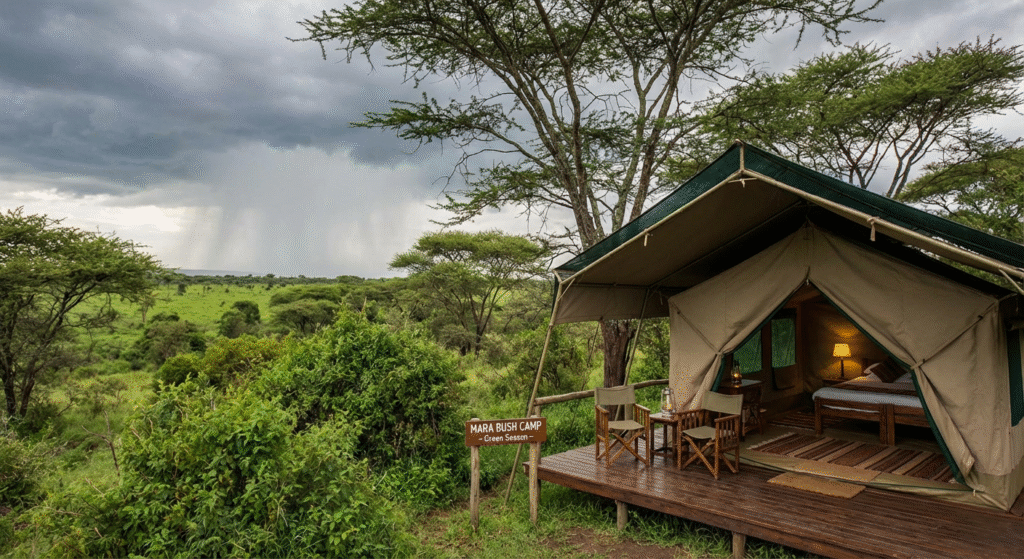
Visiting the Masai Mara during the wet season might be tricky as the rain might interfere with your activities, but also has some amazing perks! One of the biggest advantages is that there are fewer people around, so you can have more space to enjoy the beautiful views and watch the wildlife in peace. The landscape turns into a lush green paradise, and the clouds in the sky add a touch of drama. Another reason that this is a special time is because you may get to witness newborn baby animals. It will become a paradise for Bird watchers as there will be lots of different birds to see, including migratory ones. Lions, cheetahs, and leopards are still out which makes for some really exciting safaris.13
Private Conservancy Advantages
When the main reserve gets crowded during peak season, consider these alternatives:
- Mara North Conservancy
- Lower tourist density
- Night game drives permitted
- Walking safaris available
- Olare Motorogi Conservancy
- Exclusive access for limited camps
- Off-road driving allowed
- Exceptional leopard sightings
- Naboisho Conservancy
- Highest wildlife density outside main reserve
- Cultural visits to Maasai villages
- Horseback safaris
Special Activities by Season
Dry Season Exclusives:
- Hot air balloon safaris (best visibility)
- River crossing photography workshops
- Multi-day camping safaris
Wet Season Opportunities:
- Bird photography masterclasses
- Landscape photography with dramatic skies
- Cultural immersion experiences
- Walking safaris in private conservancies
Planning Your Perfect Masai Mara Safari
Booking Timeline Recommendations
For Peak Season (July-October):
- Book 6-12 months in advance
- Secure preferred lodges early
- Lock in competitive rates
For Shoulder/Green Season:
- Book 3-6 months ahead
- More flexibility available
- Last-minute deals possible
Optimal Safari Duration
However, thanks to its abundant resident wildlife and temperate climate, the Masai Mara is widely regarded as a fantastic year-round safari destination. Its wide and open plains mean there is virtually always something to see – no matter what time of year you visit.4
Recommended Stay Length:
- Minimum: 3 nights (allows 4-5 game drives)
- Ideal: 5-7 nights (comprehensive wildlife experience)
- Ultimate: 10+ nights (combine with other conservancies)
Transportation Options
- By Air (Recommended):
- 45-60 minute flight from Nairobi
- Multiple daily flights during peak season
- Scenic aerial views of the Rift Valley
- By Road:
- 5-6 hour drive from Nairobi
- Scenic route through Great Rift Valley
- More economical for groups
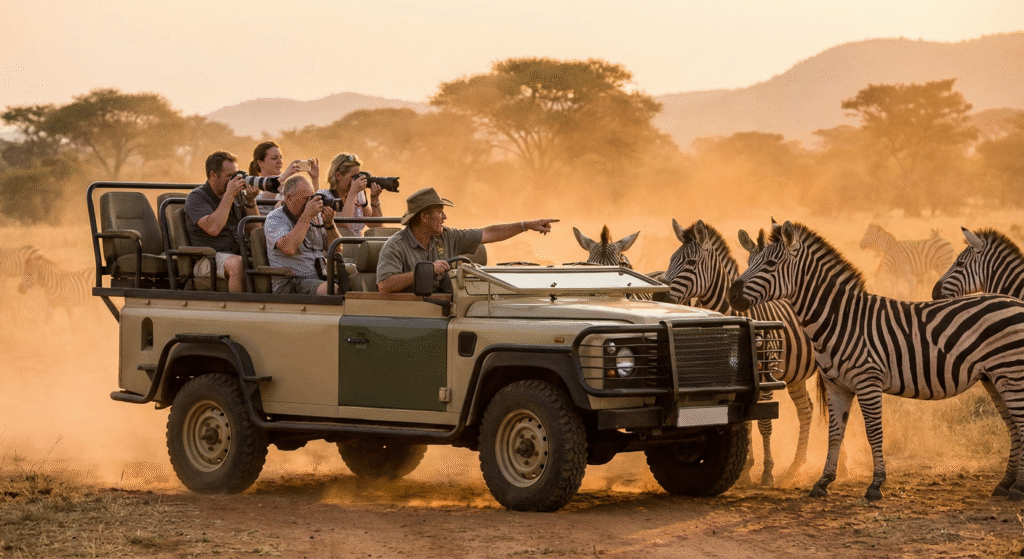
Expert Tips for Maximizing Your Masai Mara Experience
Game Drive Strategy
Early Morning Drives (6:00 AM – 9:00 AM):
- Best predator activity
- Cooler temperatures
- Spectacular sunrise photography
Late Afternoon Drives (3:30 PM – 6:30 PM):
- The best time of day for photography in Masai Mara is early morning and late afternoon when the lighting is soft and golden. This creates beautiful contrasts and shadows on the landscape and the animals. You can also capture amazing shots of sunrise and sunset over the savanna or the river.14
River Crossing Insights
But these crossings cannot be predicted – sometimes the herds stay put for weeks, other times they could cross four times in a day.4
Crossing Point Strategy:
- Multiple crossing points along Mara River
- Points 4, 7, and 10 most active
- Patience is essential – crossings can’t be guaranteed
Wildlife Viewing Etiquette
- Maintain respectful distance from animals
- Never interfere with hunting or crossing
- Keep noise levels minimal
- Follow guide instructions explicitly
Accommodation Recommendations by Season
Peak Season Luxury
During July-October, book these premium properties early:
- Governors’ Camp: Historic luxury camp near crossing points
- Angama Mara: Spectacular cliff-top location
- Mara Plains Camp: Exclusive Olare Motorogi access
Green Season Value
November-May offers exceptional value at:
- Basecamp Masai Mara: Eco-friendly, community-focused
- Sarova Mara Game Camp: Family-friendly with excellent facilities
- Mara Intrepids: Riverside location, good value
Budget-Conscious Options
Year-round affordable choices:
- Mara Sidai Camp: Basic but comfortable
- Enchoro Wildlife Camp: Budget tented accommodation
- Public campsites: Ultimate budget option for adventurers
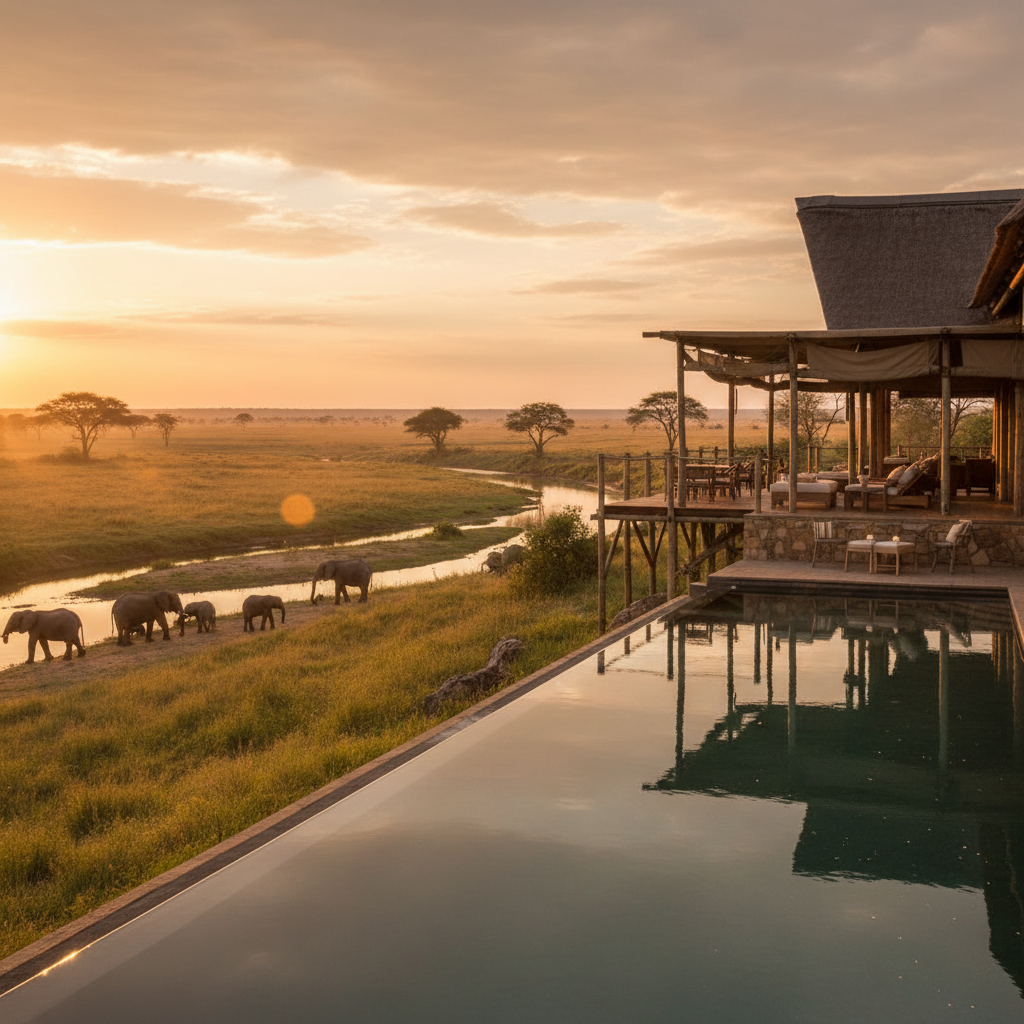
Making Your Decision: Which Month is Right for You?
Choose July-August if:
- Witnessing the Great Migration is your priority
- You don’t mind crowds for spectacular sightings
- Budget is flexible for peak season rates
- First-time safari experience desired
Choose September-October if:
- You want migration with fewer crowds
- Prefer warmer weather
- Interested in both migration and resident wildlife
- Photography is a primary goal
Choose January-March if:
- Baby animals and predator action excite you
- Prefer exclusive, uncrowded experiences
- Budget-conscious travel is important
- Bird watching interests you
Choose November-December or April-May if:
- Maximum value is essential
- Dramatic landscapes appeal to you
- Crowds significantly impact enjoyment
- Flexible with weather conditions
Conclusion: Your Masai Mara Magic Awaits
Determining the best time to visit Masai Mara ultimately depends on your personal preferences, budget, and wildlife priorities. Masai Mara National Reserve is a superb year round safari destination as it offers ideal climate with an abundance of wildlife for excellent game viewing throughout the calendar year.2
The seven magical months we’ve highlighted – June, July, August, September, October, January, and February – each offer unique advantages for experiencing Kenya’s wildlife wonderland. Whether you’re drawn to the drama of river crossings, the tenderness of newborn animals, or the exclusivity of green season safaris, the Masai Mara never disappoints.
Remember that the “perfect” time is when it aligns with your dreams and circumstances. The wildebeest migration may be nature’s greatest show, but the Masai Mara’s resident wildlife – including the Big Five, over 450 bird species, and stunning landscapes – ensures that any visit becomes a lifetime memory.
Your Next Steps:
- Decide your priority: Migration spectacle or intimate wildlife encounters?
- Set your budget: Peak season premium or green season value?
- Book early: Especially for July-October visits
- Prepare properly: Weather-appropriate clothing and equipment
- Stay flexible: Nature operates on its own schedule
The Masai Mara is calling. Whether you visit during the thunderous migration months or the peaceful green season, Africa’s magic awaits. The question isn’t really “when” to visit the Masai Mara – it’s how soon you can start packing for the adventure of a lifetime.
Ready to plan your Masai Mara adventure? The optimal time to visit Masai Mara varies with your interests, but one thing remains constant – this remarkable ecosystem will exceed your wildest safari dreams. Start planning today, and let the countdown to your African adventure begin!
Your Next Steps for the Best Time to Visit Masai Mara
Ultimately, understanding the best time to visit Masai Mara is essential for crafting unforgettable memories during your African adventure.
1 Comment